
Draw Schedules Explained: How Rehab Funds Are Released on a Hard Money Loan
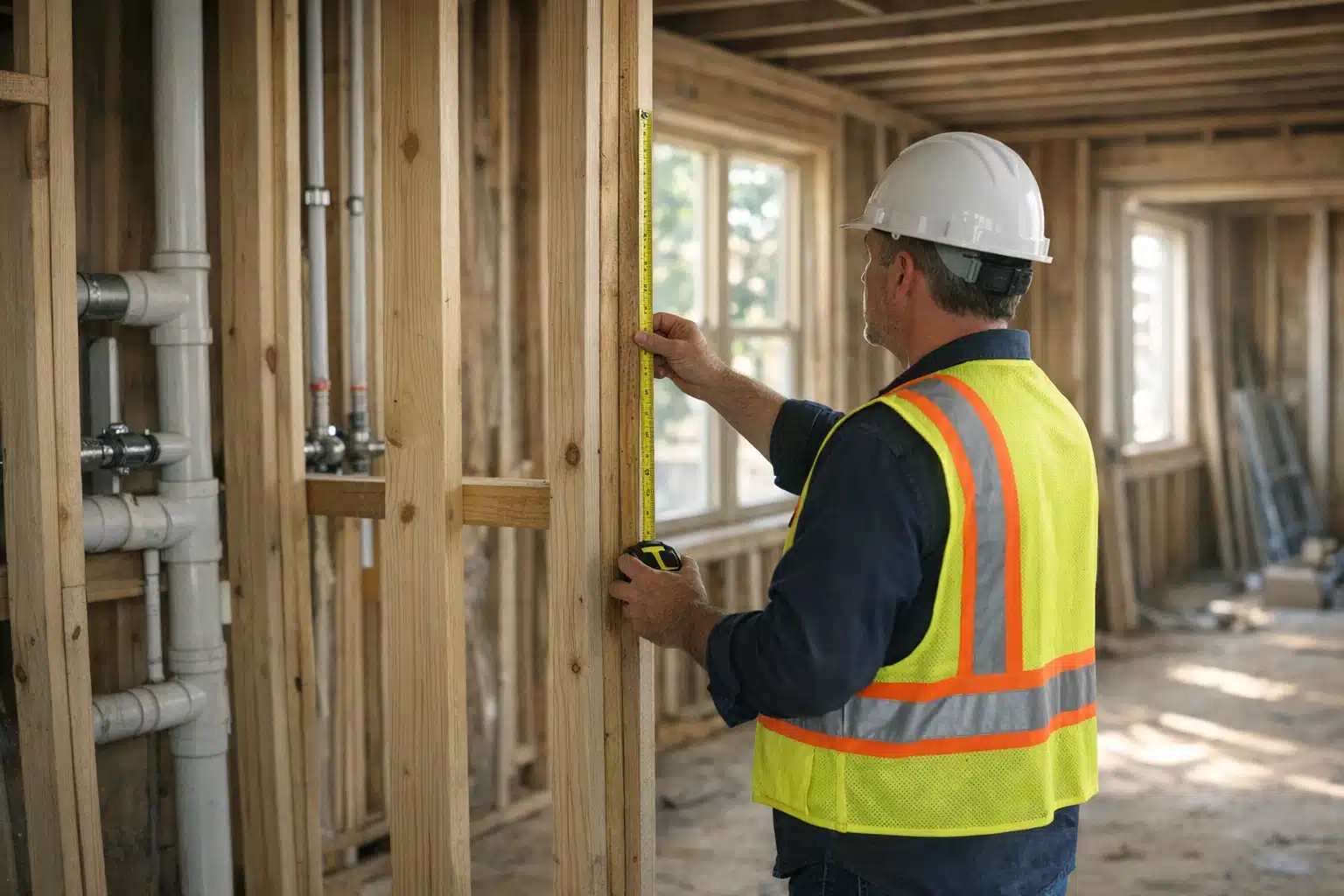
A hard money draw schedule outlines how renovation funds are released in stages based on completed work. Understanding this schedule is vital for managing cash flow during a rehab project.
- The draw schedule divides the rehab budget into segments released as milestones are met. Lenders hold back funds to protect their investment until work is verified.
- Draws are typically structured around completed phases or percentage of work done, with inspections verifying completion before funds are released.
- Managing cash flow is crucial; investors should keep reserves and document work meticulously to avoid delays in draw approvals.
A hard money draw schedule is a system that outlines how funds are released for renovation projects financed by hard money loans. These funds are disbursed in stages based on the completion of specific work on the property, ensuring that financing aligns with the progress of the renovation.
Your hard money loan closed, but the renovation budget is not sitting in your bank account. That money releases in stages, tied to work you complete on the property. The system controlling that release is called a hard money draw schedule, and misreading it can stall your project mid-rehab.
Here is what a draw schedule does, how each release gets triggered, and what happens during the inspections that unlock your cash. The mechanics matter more than most borrowers realize.
What a Hard Money Draw Schedule Is
A hard money draw schedule is a written plan that divides your rehab budget into segments released as construction reaches set milestones. The purchase funds close upfront. The rehab funds stay in a controlled account until you earn them.
Lenders hold rehab money back for one reason: it protects the collateral. If a borrower took the full budget at closing and walked away, the lender would own a gutted house worth less than the loan.
A typical structure looks like this:
- Purchase funds — released at closing to acquire the property
- Rehab reserve — held back and released in draws as work progresses
- Contingency — a buffer, sometimes 10%, for overruns or surprises
On a $200,000 loan with $60,000 in rehab, you receive the purchase amount at closing. That $60,000 sits in reserve until draws are requested and approved.
How Rehab Loan Draws Work Stage by Stage
Rehab loan draws move on a reimbursement model most of the time. You pay for completed work first, then request the draw to recover that spend. This trips up new investors who expect cash before they start.
Two common structures exist:
- Milestone-based draws — funds release when defined phases finish, like demo, rough plumbing, or drywall
- Percentage-of-completion draws — funds release based on how much of the total scope is done
Most lenders limit the number of draws, commonly three to five. Fewer draws mean fewer inspection fees but larger cash outlays between releases.
A Real Draw Sequence Example
Take a $60,000 rehab split into three draws. The sequence often runs like this:
- Draw 1 ($20,000): Demo complete, framing repairs done, rough electrical started
- Draw 2 ($25,000): Plumbing, HVAC, and drywall finished; windows installed
- Draw 3 ($15,000): Flooring, paint, fixtures, and final punch list complete
You front the cost of each phase. The draw reimburses you once the work passes inspection. Plan your working capital around that gap.
What Triggers Each Draw Release
A draw releases only after the lender verifies the work claimed is real and complete. The trigger is verification, not your invoice or your word. This verification step is where most delays happen.
The standard trigger sequence works like this:
- You complete a phase of work and pay your contractor or suppliers
- You submit a draw request listing completed line items
- The lender orders an inspection of the property
- An inspector confirms the work matches your request
- The lender releases funds, usually within 24 to 72 hours of a clean inspection
Your draw request should map to the scope of work you submitted at underwriting. If your original budget listed $8,000 for a roof, claim that roof line item when the roof is done.
How Inspections Work During an Active Rehab Loan
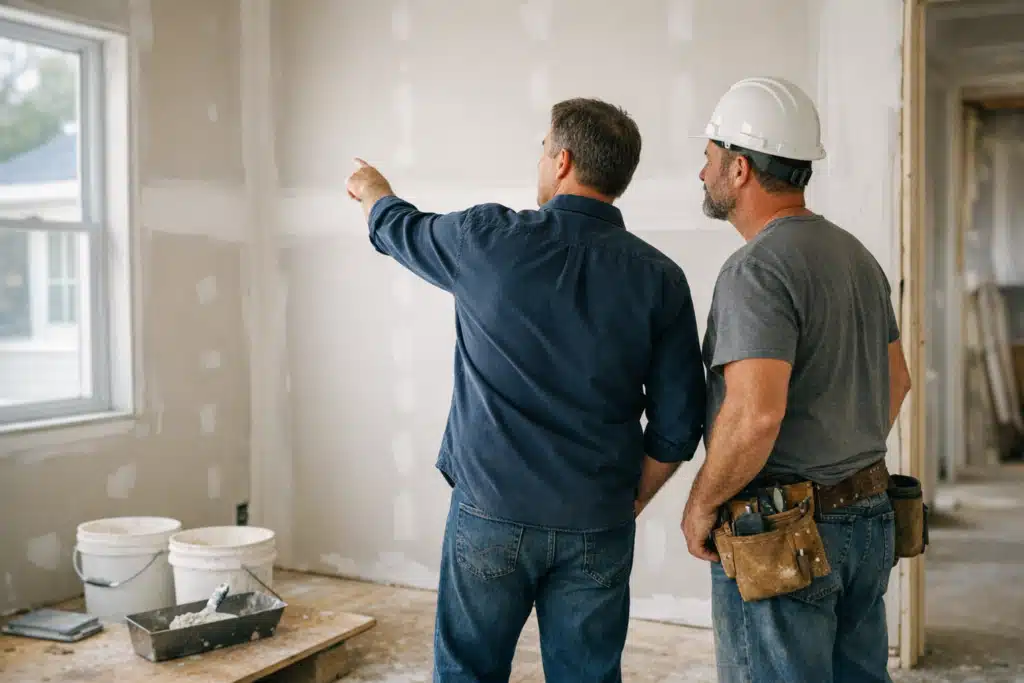
The draw inspection is the mechanism that stands between you and your money. An inspector visits the property to confirm claimed work exists and is finished. This is not a code inspection or a city permit sign-off.
The inspector is verifying one thing: does the physical condition of the property match your draw request?
What the Inspector Checks
- Completed line items — the specific work you listed as done in this draw
- Percentage complete — an estimate of how far the overall project has progressed
- Photo documentation — dated images of finished work for the loan file
- Material presence — whether purchased materials are on-site versus installed
Two inspection formats show up in practice. A third-party inspection uses an independent inspector who charges a fee, commonly $150 to $250 per visit. A self-inspection or virtual draw lets you submit time-stamped photos or a video walkthrough, faster and cheaper but reserved for established borrowers.
The Materials-on-Site Trap
A frequent conflict: you buy $5,000 in cabinets and want reimbursement, but they sit boxed in the garage. Many lenders will not fund materials that are stored, only materials installed.
Read your loan agreement on this point before you order big-ticket items. Fronting uninstalled material costs can drain your reserves fast.
Common Reasons a Draw Gets Delayed or Denied
Draw delays almost always trace back to a mismatch between what you claimed and what the inspector found. Avoiding those mismatches keeps your cash flowing.
The usual causes:
- Incomplete work — you claimed a phase done that the inspector found unfinished
- Scope changes — you did work not listed in the approved budget without a change order
- Missing documentation — no receipts, permits, or lien waivers where required
- Over-claiming a line item — requesting more than the budgeted amount for a task
- Access problems — the inspector cannot reach the property on schedule
When your plan changes mid-rehab, submit a change order before doing the work. Moving a wall or upgrading a kitchen without lender approval can freeze your next draw.
How to Manage Draws Without Running Out of Cash
The gap between paying for work and receiving your draw is where investors get squeezed. Managing that gap decides whether your timeline holds.
Steps that keep projects moving:
- Keep reserve cash equal to at least your largest single draw amount
- Batch work into clean, inspectable phases that match your draw schedule
- Request draws promptly the day a phase finishes, not a week later
- Photograph everything as you go, dated and organized by line item
- Coordinate contractor payment terms so you are not paying labor before your draw clears
Negotiate with contractors who accept partial payment tied to draw timing. That alignment shrinks the cash gap you carry between releases.
Draw Schedule Terms to Confirm Before You Close
The details of your draw schedule are negotiable at underwriting, not after. Lock down the terms that affect your cash flow before signing.
Questions to answer upfront:
- How many draws are included, and what does each additional draw cost?
- Is the model milestone-based or percentage-of-completion?
- Are stored materials eligible for reimbursement, or installed-only?
- What is the turnaround time from inspection to funding?
- Who orders and pays for inspections?
- Does the loan require lien waivers or permits at each draw?
A lender that answers these clearly at the start saves you from surprises during a live rehab. Vague terms translate to stalled draws later.
Key Takeaways
A hard money draw schedule releases rehab funds in stages, reimbursing you after each phase of work passes inspection. The trigger for every draw is verified completion, not your invoice, and the biggest risk is the cash gap between paying and getting reimbursed.
Plan your reserves around your largest draw, document work as you go, and confirm your terms before closing.
Apex Money Lending Group structures draw schedules around real project timelines and moves fast on clean inspections. Call or text 720‑365‑4344, email info@apexmoneylending.com, or visit https://apexmoneylending.com to talk through your rehab budget and draw structure.
Sources
- Consumer Financial Protection Bureau – Mortgages and Lending Resources
- U.S. Department of Housing and Urban Development – 203(k) Rehabilitation Mortgage Insurance
- U.S. Small Business Administration – Loan Programs and Guidance

