
How Rising Material and Labor Costs Affect Your Rehab Budget This Fall
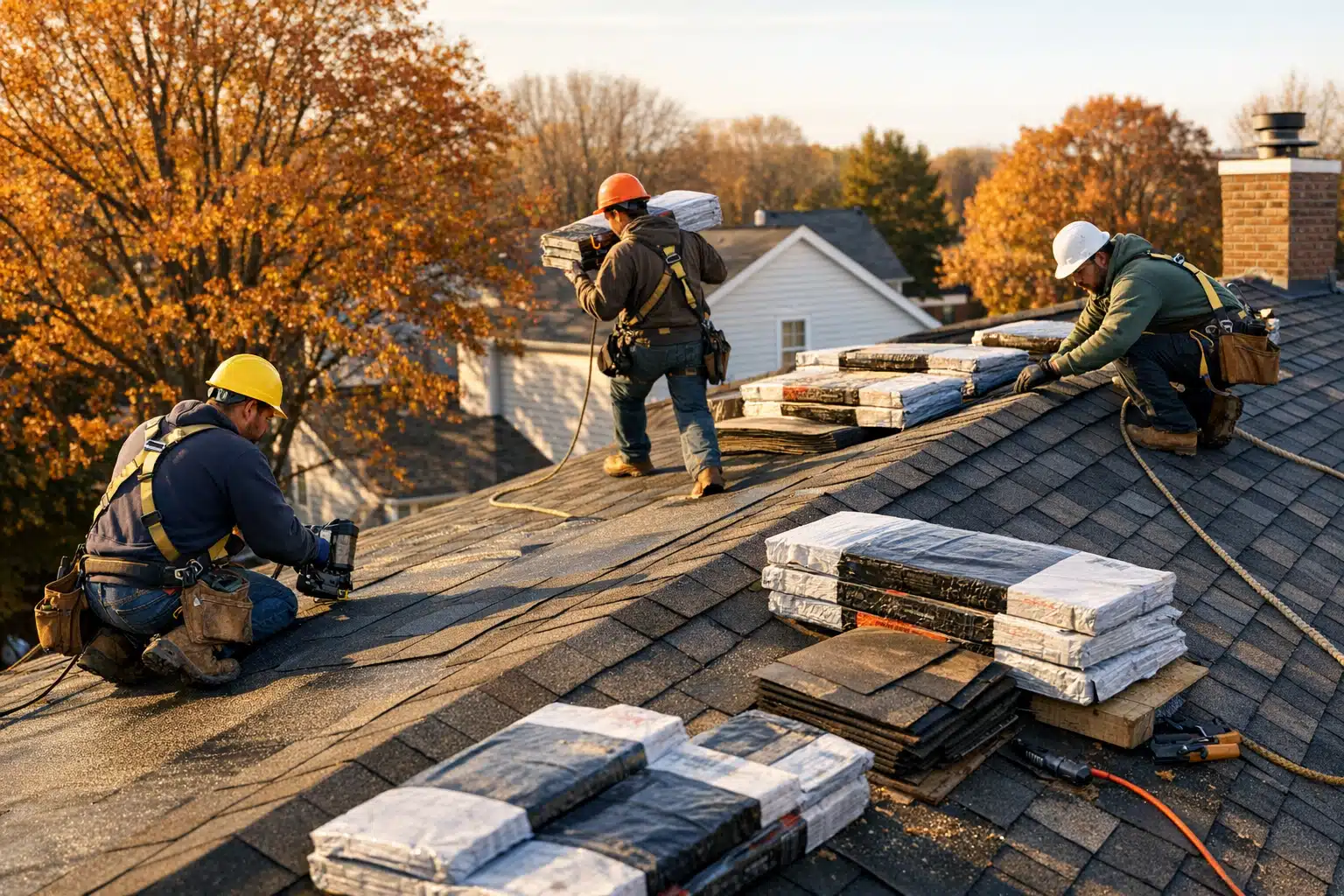
Rising material and labor costs are significantly impacting rehab budgets this fall, with price increases driven by seasonal demand and labor scarcity. Investors need to adjust their budgeting strategies to account for these changes and protect their margins.
- Labor costs are increasing faster than materials, with skilled trades quoting 15 to 20 percent higher as their schedules fill.
- Key materials like steel and imported fixtures are experiencing price volatility due to tariffs and freight costs.
- To safeguard profits, investors should implement tiered contingencies and secure firm quotes with expiration dates.
Rising material and labor costs can significantly inflate rehab budgets, as seen in examples where a roof job's price jumped from $9,000 in spring to $11,200 by fall. This increase can erode profits for real estate investors who initially planned their budgets based on earlier estimates.
A roof job quoted at $9,000 in spring can land at $11,200 by October. That gap is wiping out profit on flips that penciled out fine six months ago. Rising rehab costs 2026 are not a rumor for investors right now — they are showing up on every change order.
This post covers what is driving fall price increases, which line items hurt the most, and how to build a budget that absorbs the shock. You will get concrete numbers, a contingency framework, and funding moves that keep deals alive.
Why Rising Rehab Costs 2026 Hit Hardest in Fall
Fall creates a squeeze that spring and summer do not. Contractor demand peaks before winter, and suppliers raise prices ahead of year-end inventory cycles. Two pressures stack on top of each other at the same moment.
The first is labor scarcity. Skilled trades book out 6 to 10 weeks heading into Q4. When crews are full, their quotes climb because they can pick the jobs that pay most.
The second is construction material prices moving on seasonal and tariff pressure. Lumber, steel, and imported fixtures carry freight surcharges that spike in Q4 shipping windows.
A Real Line-Item Example
Take a standard 1,400 sq ft cosmetic flip in a Denver metro neighborhood. Here is how a spring budget drifts by late fall:
- Roof replacement: $8,800 → $10,900 (labor backlog plus asphalt shingle increases)
- Kitchen cabinets (stock): $6,200 → $7,500 (import freight and delivery lead times)
- HVAC swap: $7,000 → $8,400 (copper and unit pricing, plus pre-winter demand)
- Interior paint (labor): $3,100 → $3,900 (crew availability)
That is roughly $5,600 added on four line items alone. On a deal with a $22,000 projected profit, you lost a quarter of your margin without changing scope.
Which Costs Are Climbing the Most Right Now
Not every line item moves the same amount. Knowing where the pressure concentrates lets you price contingency where it matters instead of padding everything.

Labor Is the Fastest-Moving Cost
Labor is outpacing materials in most markets heading into 2026. A framing or roofing crew that was $45 an hour equivalent can quote 15 to 20 percent higher when their schedule fills.
Trades with the tightest supply right now:
- Electricians — permit backlogs and code updates stretch timelines
- HVAC installers — pre-winter demand collides with scheduling
- Roofers — weather windows shrink, so crews charge a premium to fit you in
Materials With the Sharpest 2026 Increases
Construction material prices are uneven across categories. Watch these closely:
- Steel and metal components — tariff exposure keeps pricing volatile
- Imported fixtures and tile — freight and currency swings add 8 to 15 percent
- Lumber — seasonal demand plus mill output swings drive weekly changes
- Appliances — chip and component costs still elevated versus pre-2020
How to Budget for Higher Prices Without Blowing Your Numbers
You protect your deal by building the cost environment into the underwriting, not by hoping prices hold. Here is the framework our borrowers use to stay profitable in a rising market.
Step 1: Lock Scope Before You Lock Price
Define every line item in writing before requesting bids. Vague scopes invite change orders, and change orders are where fall budgets bleed out.
Step 2: Price With a Fall-Specific Contingency
A standard 10 percent contingency is too thin for Q4. Use a tiered approach based on how exposed each category is:
- Labor-heavy scopes: add 15 to 18 percent contingency
- Material-heavy scopes: add 12 to 15 percent, higher for imports
- Cosmetic-only flips: 10 to 12 percent may hold if crews are booked early
Step 3: Get Firm Quotes With Expiration Dates
Ask contractors and suppliers to honor pricing for a fixed window. A 30-day price lock on cabinets or a roofing quote protects you against mid-project jumps.
Step 4: Front-Load Material Purchases
Buy and store non-perishable materials early when a price lock is not available. Paying October prices in September for tile, fixtures, and cabinets beats paying December prices.
Step 5: Build Two Exit Numbers
Underwrite each deal at your target cost and at a stressed cost 15 percent higher. If the deal still clears at the stressed number, you have a real margin of safety.
Contingency Strategies Most Investors Skip
The standard advice stops at “add a contingency line.” These moves separate investors who hold margin from those who watch it evaporate.
Sequence Trades to Beat Price Hikes
Schedule the fastest-rising trades first. Lock your roofer and HVAC installer early in the project timeline before their Q4 schedules fill and their rates climb.
Keep a Backup Contractor Priced and Ready
Have a second crew quoted on your top three line items. When your primary crew pushes a start date two weeks, a priced backup prevents a costly stall.
Use Financing That Absorbs Overruns
A loan structured with built-in rehab reserves protects you when a line item jumps. Running out of draw funds mid-project forces rushed decisions that cost more.
At Apex Money Lending Group, we structure rehab draws around realistic 2026 cost assumptions, not last year’s numbers. That means your budget accounts for fall price pressure before you close.
What This Means for Your Next Fall Deal
Run your numbers twice before you make an offer. If a deal only works at spring pricing, it is not a fall deal — it is a loss waiting for a change order.
The investors protecting margins this quarter are the ones who priced labor scarcity and material volatility into the acquisition. They bought at a number that survives a 15 percent cost jump.
Key Takeaways
Rising rehab costs 2026 concentrate in labor and imported materials, and fall adds a seasonal squeeze on top. Protect your deal with tiered contingency, early material purchases, priced backup crews, and financing that carries real rehab reserves.
Build your fall rehab budget on current cost assumptions with a lender that prices the market as it is right now. Call or text Apex Money Lending Group at 720‑365‑4344, email info@apexmoneylending.com, or visit https://apexmoneylending.com to structure funding that holds up when prices move.
Sources
- U.S. Bureau of Labor Statistics – Producer Price Indexes
- National Association of Home Builders – Housing Economics
- U.S. Census Bureau – Construction Spending
- Associated General Contractors of America – Construction Data

