
The House Hacking Investor: Using Hard Money to Buy a Multi-Unit You’ll Live In
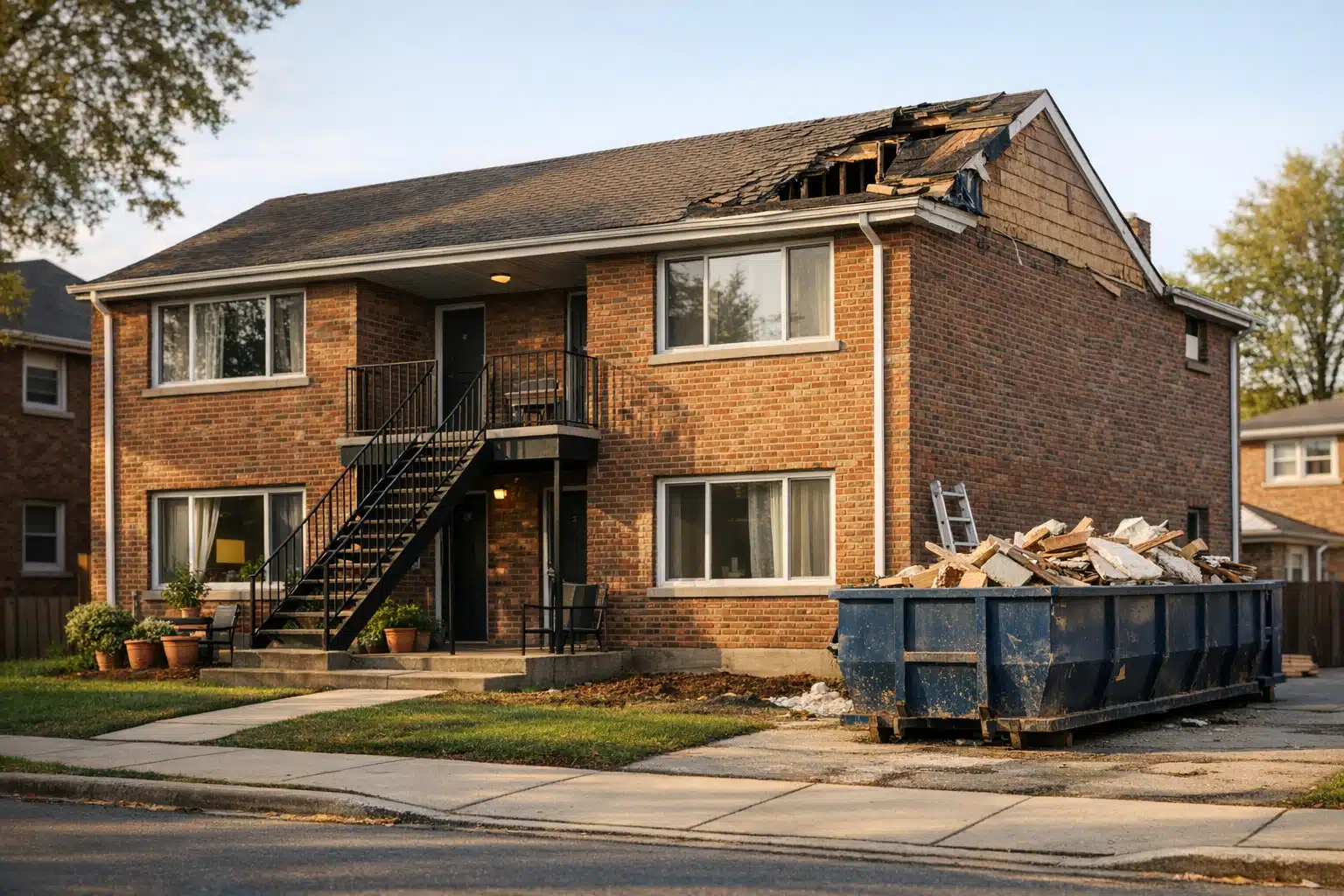
You can buy a four-unit building, move into one apartment, and let tenants cover most of your mortgage. That strategy is called house hacking, and pairing it with short-term financing opens doors that conventional loans close. House hacking with hard money works when a property needs repairs, moves fast, or sits in a market where bank underwriting drags.
This post covers the occupancy rules that trip up new owner-occupants, the refinance exit that makes the math work, and the specific numbers behind a real deal structure. Read on if you plan to live in your next investment.
What House Hacking With Hard Money Means
House hacking is buying a small multi-unit property, living in one unit, and renting the others to offset your housing costs. Hard money is a short-term, asset-based loan funded by private lenders instead of banks.
Combining the two means you acquire a two- to four-unit property quickly, often with a loan sized against the building’s value rather than your pay stubs. The rental income from the other units reduces or eliminates your out-of-pocket housing payment.
The strategy fits buyers who want speed, flexibility, or a property that a traditional lender rejects. A triplex with a vacant unit and a leaking roof scares banks. It attracts hard money lenders who price for the risk.
Why Investors Pick This Route
- Speed: Hard money closes in days, not weeks, which wins competitive offers.
- Condition flexibility: Banks reject properties that need major repairs. Hard money funds them.
- Lower cash needs upfront: Some structures roll rehab costs into the loan.
- A clear exit: You refinance into a long-term loan once the property stabilizes.
The Occupancy Rules You Cannot Ignore
Living in your investment changes the legal and financing picture more than most new investors expect. Owner-occupancy carries requirements that pure rental deals skip.

Hard money loans are business-purpose loans. Pure owner-occupied home loans fall under consumer protection laws like the Truth in Lending Act and the Ability-to-Repay rule. A loan on a property you live in can trigger those protections.
How Lenders Handle Owner-Occupancy
Many hard money lenders avoid consumer-purpose loans because of the compliance burden. The distinction turns on how the property counts under federal rules.
A four-unit where you occupy one unit may still qualify as business-purpose if the majority of units generate income. The structure matters, and it must be documented correctly from the start.
- Two to four units: Occupying one unit is common, but the loan’s purpose drives compliance.
- Income majority: When most units are rented, the deal leans toward investment-purpose.
- Documentation: Your intent and use of funds must be recorded accurately at closing.
Work with a lender who understands owner-occupied multi-unit financing and structures the loan correctly. A mislabeled loan creates legal exposure for everyone involved.
A Real Deal Structure: The Numbers
Here is a concrete example of how house hacking with hard money plays out on a fourplex. The figures are illustrative but reflect common market terms.
Assume a fourplex priced at $480,000 that needs $60,000 in repairs. After renovation, it appraises at $650,000. Three units rent for $1,600 each; you live in the fourth.
Acquisition Phase (Hard Money)
- Purchase price: $480,000
- Rehab budget: $60,000
- Hard money loan: around 70% of after-repair value, or $455,000
- Cash to close: roughly $85,000 to $100,000 including points and reserves
- Term: 12 months, interest-only
Stabilization and Refinance Phase
You repair the units, move into one, and lease the other three. Gross rent from three units runs $4,800 monthly. That income supports a long-term loan.
Once stabilized, you refinance into a conventional or DSCR loan at the $650,000 value. A new loan at 75% equals $487,500, which pays off the hard money and recovers much of your cash.
The gap between acquisition cost and refinance value is your created equity. You now live nearly rent-free while holding an appreciating asset.
Timing the Refinance Exit
The refinance is the part that turns hard money from expensive into profitable. Hard money carries higher rates because you hold it briefly, not for 30 years.
Your exit plan should map to the loan term before you sign anything. Miss the window and you face extension fees or a forced sale.
Steps to a Clean Refinance
- Complete repairs on schedule. Lenders fund stabilized properties, not construction sites.
- Lease the rental units with signed agreements. Documented income supports the new loan.
- Season the property if required. Some lenders want three to six months of ownership before refinancing.
- Order an appraisal that reflects the improved value. Keep receipts and before-and-after photos.
- Confirm owner-occupancy benefits. Living in the unit may qualify you for better refinance terms.
The Owner-Occupant Refinance Advantage
Living in the property can lower your refinance rate and down payment requirement. Conventional loans treat owner-occupied two- to four-units more favorably than pure investment deals.
FHA and conventional programs allow owner-occupants to refinance small multi-units with stronger terms. You capture investor upside while keeping homeowner financing benefits.
Regulatory Pitfalls for Live-In Investors
Occupying your rental triggers landlord-tenant law, zoning rules, and insurance requirements that absentee owners handle differently. Ignoring them creates expensive problems.
- Landlord-tenant law: You become a landlord the day a tenant signs. State notice and habitability rules apply.
- Zoning and occupancy limits: Confirm the property is legally a multi-unit, not a converted single-family home.
- Insurance: An owner-occupied multi-unit needs a landlord policy that covers both your residence and the rentals.
- Local rental licensing: Many cities require registration and inspection before you collect rent.
Verify the legal unit count before you buy. An unpermitted fourth unit can derail your refinance and shrink your appraised value.
Who This Strategy Fits
House hacking with hard money rewards buyers who can manage a short rehab and execute a refinance. It punishes those without a clear exit.
The approach fits you if you meet these conditions:
- You have cash for down payment, points, and reserves.
- You can oversee repairs within the loan term.
- Your credit and income support a future refinance.
- You are comfortable living next to your tenants.
It does not fit buyers who need a decade to repay or who lack reserves for surprises. Hard money is a tool for a defined window, not a permanent mortgage.
Common Mistakes to Avoid
New house hackers lose money on a handful of predictable errors. Each one is avoidable with planning.
- Underbudgeting rehab. Add a 15% contingency to every renovation estimate.
- Overestimating rent. Pull real comparable leases, not asking prices from listings.
- Ignoring the refinance qualification early. Confirm you can qualify before you buy.
- Mislabeling the loan purpose. Document business versus consumer intent correctly.
- Skipping reserve funds. Keep six months of payments available for vacancies.
Key Takeaways
House hacking with hard money lets you acquire a multi-unit quickly, live in one unit, and refinance into long-term financing once the property stabilizes. The strategy works when you respect occupancy rules, plan the refinance exit, and keep adequate reserves.
Apex Money Lending Group structures owner-occupied multi-unit financing for investors who want speed without the compliance missteps. Call or text 720‑365‑4344, email info@apexmoneylending.com, or visit https://apexmoneylending.com to price your next deal.

