
Energy Efficient Upgrades: Summer Financing for Green Property Improvements
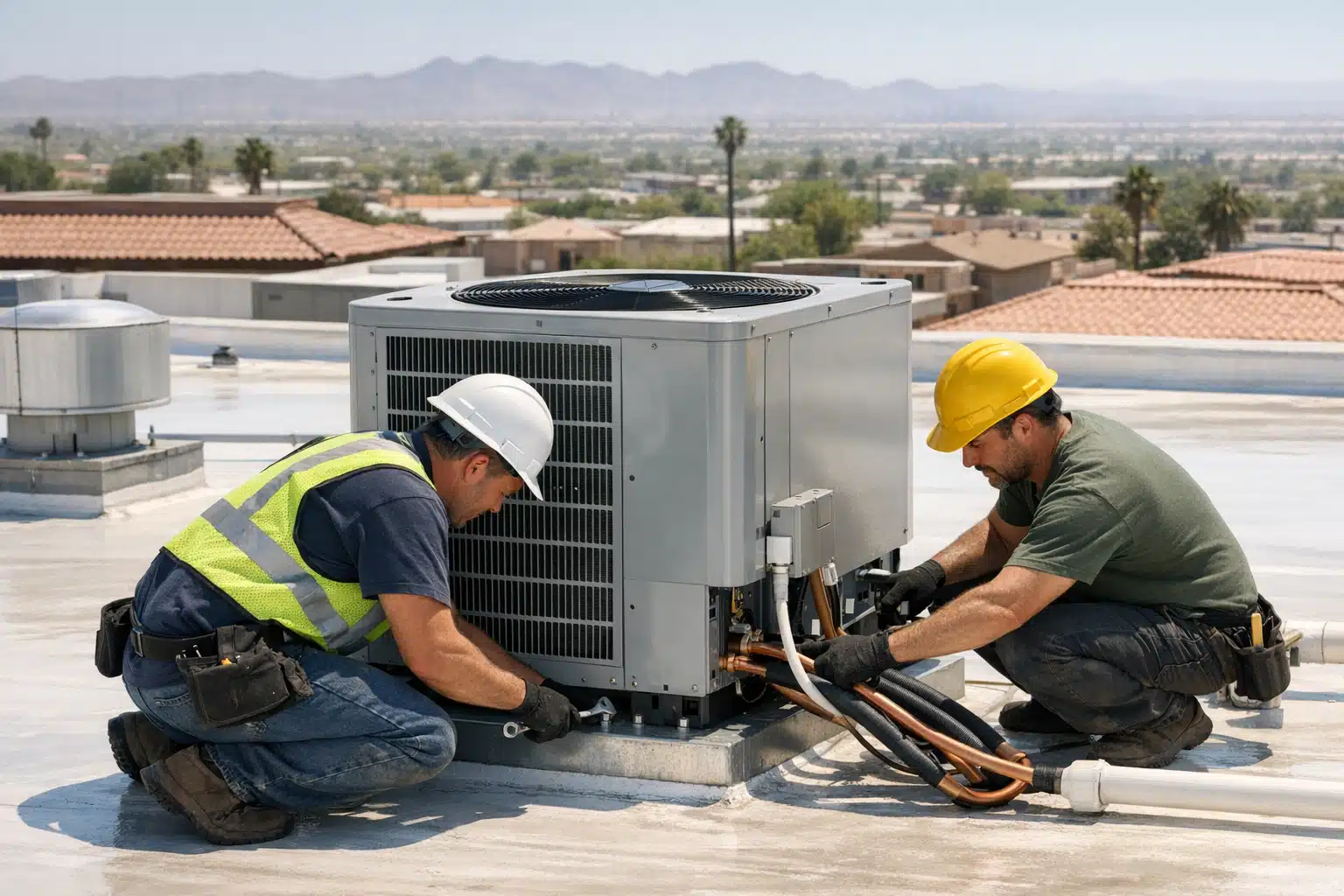
Apex Money Lending Group offers energy efficient financing to help property owners make upgrades that reduce cooling costs during the summer. This financing allows for quick access to funds for improvements that enhance property value and lower operating expenses.
- Poor insulation can lead to high cooling costs, making upgrades essential before summer heat increases bills.
- Energy efficient financing covers various upgrades, including HVAC replacement and insulation, funded through hard money loans.
- Investors and landlords can benefit from faster tenant retention and higher resale values by implementing these energy-saving improvements.
Energy efficient financing provides property owners with the necessary funds to implement upgrades that enhance insulation and reduce energy costs. This type of financing helps address issues like high cooling expenses during summer months, allowing owners to improve their properties' efficiency and lower utility bills.
A poorly insulated rental property can burn through $300 or more in extra cooling costs every summer month. That cost compounds across a portfolio of units. Energy efficient financing from Apex Money Lending Group gives property owners the capital to fix that before the July heat spikes utility bills.
This post breaks down which summer upgrades pay off fastest. You will see how hard money loans fund the work, what returns to expect, and how green property upgrades affect resale value.
What Energy Efficient Financing Actually Covers
Energy efficient financing is short-term capital used to pay for building improvements that reduce energy consumption. At Apex Money Lending Group, that means hard money loans secured against the property itself.
The loan funds the upgrade. The upgrade lowers operating costs and lifts the property’s market value. Both effects strengthen the asset backing the loan.
Common projects owners finance before summer include:
- HVAC replacement — swapping a 12-SEER unit for a 16-SEER model cuts cooling energy roughly 25%
- Attic and wall insulation — the single cheapest fix for heat gain in older buildings
- Cool roofs and reflective coatings — surface temperatures drop by up to 50°F versus dark asphalt
- Window replacement — low-emissivity glass blocks solar heat without darkening rooms
- Solar panel installation — offsets peak-demand electricity when rates run highest
Why Timing These Upgrades for Summer Pays Off
Cooling drives the biggest seasonal energy cost in most of the country. Air conditioning accounts for about 12% of home energy spending nationally, and far more in hot-climate states.
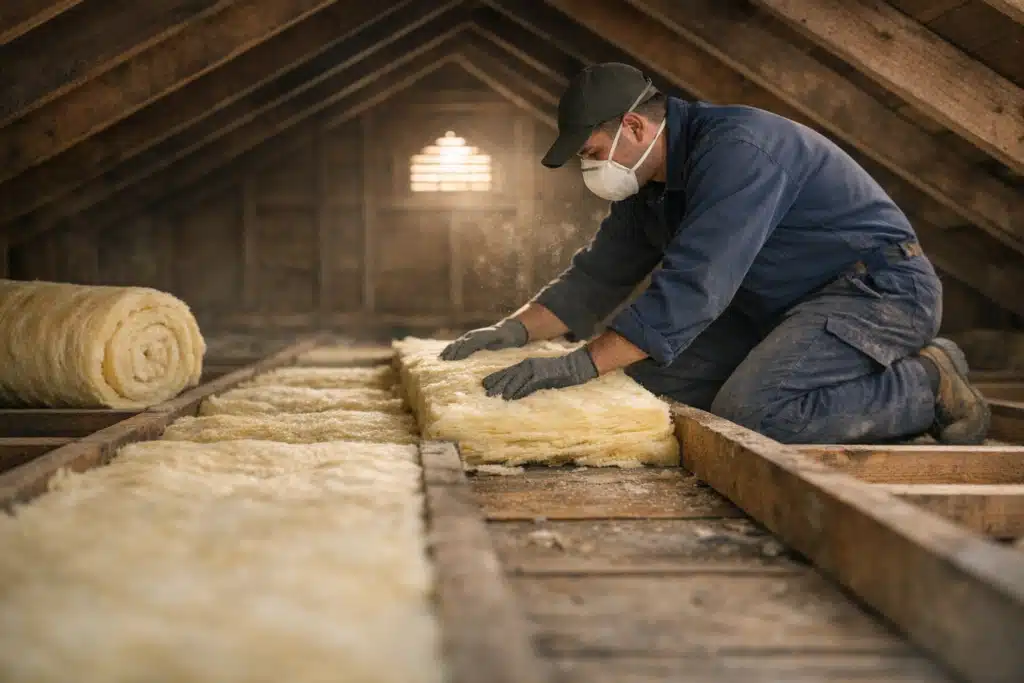
Financing the work in spring means the savings land during peak-demand months. A landlord who reinsulates in April sees lower June, July, and August bills immediately.
A Concrete Example
Take a 6-unit apartment building in Phoenix with original 1990s HVAC systems. Summer electric bills average $2,800 monthly across all units.
Replacing the units and adding attic insulation costs roughly $48,000. The upgrades cut cooling energy by 30%, saving about $840 per summer month.
Across the four hottest months, that is $3,360 back in the owner’s pocket each year. The improved efficiency rating raises the building’s appraised value beyond the raw cost of parts.
How Hard Money Loans Fund Green Property Upgrades
Hard money loans close in days, not weeks. That speed matters when a heat wave is forecast and tenants are already filing complaints.
Traditional bank financing evaluates your income history and credit score for months. A hard money loan from Apex Money Lending Group evaluates the property.
The Basic Steps
- Submit the property details. Provide the address, current value, and scope of the planned upgrades.
- Receive a loan estimate. Terms are based on the property’s value and after-improvement value.
- Close and draw funds. Money moves fast enough to start work before summer peak.
- Complete the upgrades. Contractors install HVAC, insulation, or solar.
- Refinance or sell. Exit with a conventional loan or a sale at the higher value.
This structure fits investors flipping properties and buy-and-hold owners alike. The green property upgrades become part of the value-add strategy.
The Numbers Behind Energy Efficient Financing
Green improvements affect three financial levers at once. Owners who understand all three make sharper borrowing decisions.
Lower Operating Costs
Reduced cooling bills flow straight to net operating income. On a rental, higher NOI raises the property’s capitalized value at any given cap rate.
Higher Sale Price
Energy-efficient homes sell for a measurable premium. Studies of certified green homes show sale prices several percentage points above comparable standard homes.
Faster Tenant Retention
Tenants who pay their own utilities stay longer in efficient units. Lower turnover means fewer vacancy gaps and less spend on turnover repairs.
Which Upgrades Return Capital Fastest
Not every green improvement pays back at the same rate. Ranking projects by payback period helps you prioritize the loan draw.
- Attic insulation — payback in 2 to 4 years, lowest upfront cost
- Air sealing — payback under 3 years, minimal labor
- Smart thermostats — payback in 1 to 2 years per unit
- HVAC upgrades — payback in 5 to 8 years, high comfort impact
- Solar panels — payback in 6 to 10 years, strong in high-rate markets
For a short-hold flip, insulation and air sealing return capital fastest. For a long-term hold in a sunny market, solar earns more over time.
Tax Incentives That Stack With Financing
Federal and local incentives reduce the net cost of green property upgrades. Financing the gross cost while collecting incentives improves the return.
The federal Residential Clean Energy Credit covers 30% of solar installation costs. Many states add rebates for high-efficiency HVAC and insulation.
Owners often finance the full project with a hard money loan, then apply incentives toward the payoff. Confirm current program terms with a tax advisor before you plan the draw.
Who Benefits Most From This Strategy
Energy efficient financing fits specific owner situations better than others. The best candidates share a few traits.
- Investors buying dated properties in hot climates with high summer loads
- Owners with equity but tied-up cash or slow bank approval timelines
- Flippers targeting the green-home resale premium
- Landlords facing tenant complaints about cooling costs and comfort
If your property bleeds cooled air every July, the math favors acting now. Each summer of inaction is another season of wasted utility spend.
Common Mistakes to Avoid
Owners sometimes finance the wrong upgrade first. Installing solar before sealing air leaks wastes generated power on a leaky building.
Seal and insulate the envelope first. Then size the HVAC to the improved load. Only then add solar to cover what remains.
Another error is ignoring the exit plan. A hard money loan is short-term capital, and the refinance or sale must be lined up early.
Key Takeaways
Energy efficient financing turns summer utility waste into a value-add project funded against the property itself. Fast hard money closing lets owners capture savings during peak cooling months instead of waiting a full year.
Prioritize envelope fixes first, stack tax incentives against the loan, and plan your exit before you draw funds.
Ready to fund green property upgrades before the next heat wave? Contact Apex Money Lending Group at 720‑365‑4344 by phone or text, email info@apexmoneylending.com, or visit https://apexmoneylending.com.
Sources
- U.S. Department of Energy – Energy Saver
- ENERGY STAR – Heating and Cooling Efficiency
- IRS – Residential Clean Energy Credit
- U.S. Energy Information Administration – Energy Use in Homes

