
Foreclosure Investments: Opportunities and Risks
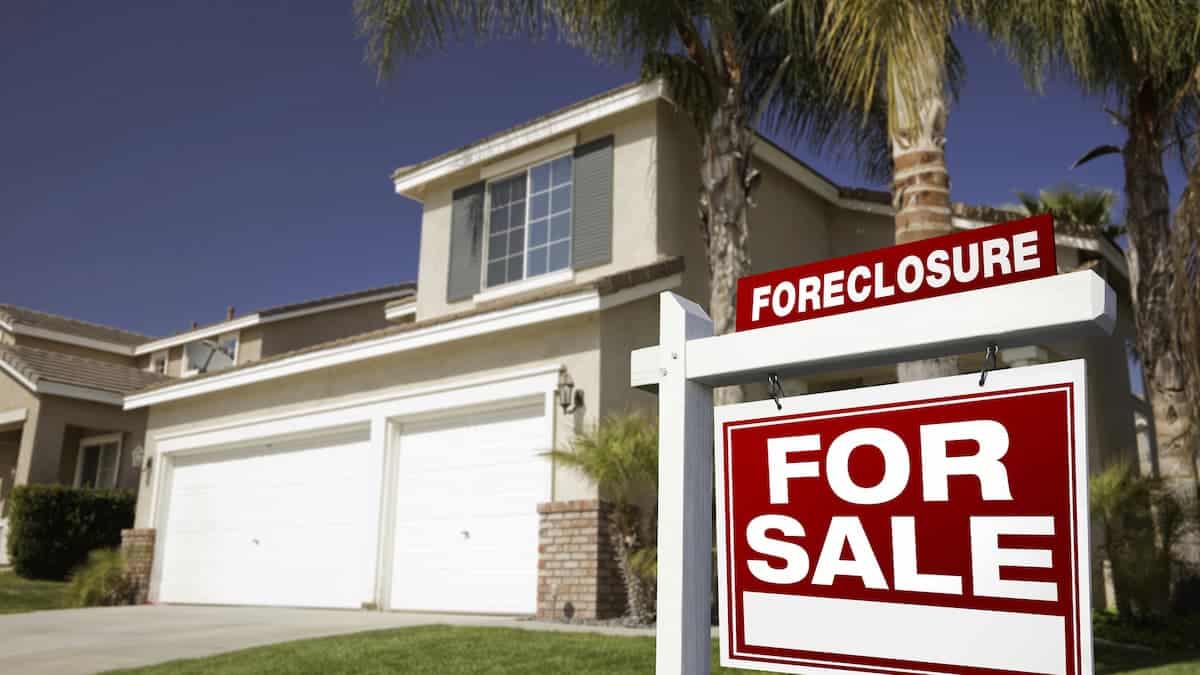
Foreclosure investing can unlock below-market deals and strong profit potential, but it’s not without risk. Properties often come with hidden issues like liens, unpaid taxes, or costly repairs, and many are sold with limited inspection opportunities. Success depends on preparation, from understanding the foreclosure process to carefully evaluating each deal before you commit. In this guide, we break down the opportunities, the risks, and the strategies you need to invest with confidence.
How Foreclosure Investing Actually Works
Foreclosure investing involves purchasing properties that lenders reclaim after homeowners fall behind on mortgage payments. These opportunities can be profitable—but each stage of the process comes with its own level of risk and complexity.
The 3 Stages of Foreclosure Investing
- Pre-Foreclosure: The homeowner still owns the property but is in default. Investors can negotiate directly for a potential below-market deal, but must carefully check for liens, unpaid taxes, or other debts tied to the property.
- Public Auction: The property is sold to the highest bidder, often with little to no inspection allowed. Full payment is typically required upfront, making this a higher-risk, higher-reward stage.
- Bank-Owned (REO) Properties: If the property doesn’t sell at auction, it becomes bank-owned and is listed for sale. These deals are more transparent and easier to finance, though usually with smaller discounts.
Key Steps Before You Buy
- Conduct a title search to uncover liens or legal claims
- Estimate repair costs and overall property condition
- Analyze local market values and investment potential
Taking these steps helps reduce risk and ensures you’re making informed, profitable investment decisions.
The Three Ways Foreclosed Properties Actually Get Sold
Foreclosed homes reach buyers through three separate paths. Each path has its own costs, risks, and steps to follow.
Path 1: Auction Sales
At a foreclosure auction, the home goes to the highest bidder. The winner must pay the full amount in cash, often within 24 hours.
Buyers rarely get to inspect the home before bidding. This means hidden problems like unpaid taxes, structural damage, or existing tenants may surface after purchase.
Auctions carry the highest risk but can offer the lowest purchase prices.
Path 2: Bank-Owned (REO) Sales
When a home does not sell at auction, the lender, such as a bank or mortgage company, takes ownership. The property is then called REO, which stands for Real Estate Owned.
The bank lists the home for sale like a standard property. Buyers can schedule inspections, apply for a mortgage loan, and negotiate repairs.
This path is slower but much safer than an auction.
Path 3: Pre-Foreclosure and Short Sales
Before a home reaches auction, the struggling homeowner may try to sell it directly. If the home’s sale price is less than what the owner owes on the mortgage, the deal is called a short sale.
The lender must approve the sale terms. This path requires patience because lender approval can take weeks or months.
Choosing the Right Path
Each path requires different amounts of money, time, and comfort with risk.
Auctions demand fast cash and high risk tolerance. REO sales suit buyers who want a safer, slower process.
Pre-foreclosure deals work best for patient buyers who are comfortable negotiating with both homeowners and lenders.
Why Foreclosed Properties Sell Below Market Value
Banks and lenders want one thing when a borrower stops paying: get their money back. They are not trying to sell a home for top dollar. They want to close the debt and move on. This single motivation drives foreclosed home prices down from the start.
The physical condition of the home makes the price drop further. When a home sits empty for months, sometimes years, during the legal foreclosure process, no one is fixing leaky pipes, mowing the lawn, or replacing broken windows.
Small problems become big problems. By the time the home reaches the market, buyers are looking at real repair costs that eat directly into what they are willing to pay.
The way foreclosures are sold creates its own price pressure. Many foreclosed homes are sold at public auctions. Auction buyers must pay in full with cash on the spot.
This cuts out the large group of buyers who rely on bank loans to purchase homes. Fewer buyers competing for the same home means lower final sale prices.
Buyers also take on serious unknowns. They cannot hire a home inspector before bidding. The bank provides no disclosures about the property’s history or condition.
That hidden risk has a dollar value, and buyers subtract it from their offers.
The numbers confirm this pattern. Research from the real estate industry shows foreclosed homes sell for 15% to 35% less than similar homes sold through normal channels.
That gap represents the real financial opportunity for investors and the real financial risk they are accepting.
Where to Find Foreclosure Listings Before Other Investors Do
Most buyers only look at popular real estate websites. By the time a foreclosure appears there, other investors have already seen it. To get ahead, you need to check sources that most people ignore.
County Courthouse Records
Every county keeps public records called lis pendens filings. These are legal notices showing when a homeowner has stopped making mortgage payments.
These notices appear weeks before a property hits any listing platform. Visiting or checking your county clerk’s website regularly gives you a real head start.
Government-Owned Property Portals
The U.S. Department of Housing and Urban Development (HUD) and the Federal Housing Administration (FHA) run their own websites listing homes the government has taken back through foreclosure.
These properties are not posted on Zillow or Realtor.com first. You go directly to HUD’s website to find them.
Fannie Mae HomePath
Fannie Mae, a government-backed mortgage company, lists its repossessed homes on a platform called HomePath.
These real estate owned (REO) properties appear on HomePath before they reach the open market.
Tax Delinquency Records
When homeowners stop paying property taxes, counties record that too. A homeowner behind on taxes is often heading toward foreclosure.
These tax rolls are public records and signal early-stage buying opportunities.
Data Subscription Services
Companies like ATTOM Data Solutions and PropertyRadar collect public records from multiple counties and states.
They send daily alerts about distressed properties, saving you hours of manual searching.
Direct Networking
Foreclosure attorneys handle the legal process when lenders take back homes. Bank asset managers control what happens to repossessed properties.
Building relationships with both groups gives you access to off-market deals that never get publicly listed.
Using all these sources together gives you the earliest possible view of available foreclosure properties.
The Criteria That Separate a Good Foreclosure Deal From a Bad One
Finding a foreclosure is easy; finding one that actually makes money is where investors win or lose. The best deals meet clear, measurable criteria before you ever make an offer.
What Makes a Foreclosure Worth Buying
- Start With the After-Repair Value (ARV)
This is the projected resale value after renovations—the ceiling of your profit potential. Validate it using nearby comparable sales (“comps”) within about half a mile to ensure your numbers are realistic.
- Apply the 70% Rule
A quick way to protect your margin:
Maximum Purchase Price = (ARV × 70%) − Repair Costs
This buffer helps account for risk, holding costs, and unexpected expenses.
- Get Accurate Repair Estimates
Break costs into three categories:
- Structural (foundation, roof, major systems)
- Mechanical (plumbing, electrical, HVAC)
- Cosmetic (paint, flooring, finishes)
Always verify with a licensed contractor—guesswork kills deals.
- Run a Title Search
Identify liens, unpaid taxes, or legal claims tied to the property. These don’t disappear after purchase—they become your financial responsibility.
- Evaluate the Neighborhood
Strong deals are backed by strong markets. Look at:
- Vacancy rates (demand indicator)
- Income trends (buyer/renter strength)
- Job growth (long-term stability)
Profitable foreclosure deals are built on numbers, not discounts. If a property fails multiple checks—unrealistic ARV, hidden costs, or weak market conditions, it’s not a deal worth chasing.
How Foreclosure Investments Are Financed: and Why It’s Harder Than You Think
Most investors who buy foreclosed homes don’t realize how much the financing process controls the deal. Banks and traditional mortgage lenders often refuse to loan money on distressed properties. These properties may have structural damage, unclear ownership history, or no one living in them.
When banks say no, buyers must turn to other options: hard money loans, private lenders, or their own cash savings.
Hard money loans come from private companies that specialize in short-term real estate lending. These loans carry high interest rates, usually between 8% and 15%, plus upfront fees of 2% to 5% of the loan amount. These extra costs cut into profits, especially when the property also needs major repairs.
Foreclosed homes sold at public auctions create an even bigger challenge. Auction purchases typically require full cash payment within 24 to 72 hours of winning the bid. That timeline makes bank financing nearly impossible.
Investors who wait to arrange financing until after they find a property almost always lose the deal to a buyer who already has money ready to go. This is why financing is not a final step in the buying process. It is the first step.
Having capital secured in advance determines which properties an investor can even pursue. Without that funding foundation in place, most foreclosure opportunities are simply out of reach.
Hidden Costs That Can Destroy Your Foreclosure Profit Margin
Most investors buying foreclosures only count two things: the purchase price and repair costs. This leaves out several real expenses that eat into profits before the property ever sells.
Monthly Carrying Costs
Every month a property sits unsold, the owner pays property taxes, homeowner’s insurance, and utilities. These bills stack up fast during renovation and resale periods.
Title and Legal Problems
Some foreclosures come with hidden title defects, unpaid liens, or city code violations. Fixing these issues requires legal work and remediation that can cost thousands of dollars.
HOA Debt
If the previous owner stopped paying homeowners association (HOA) fees, those unpaid balances transfer to the new buyer. This is automatic in most cases — the buyer has no choice.
Environmental Hazards
Older properties may contain asbestos or mold. Removing these materials requires licensed contractors, which makes the job significantly more expensive than standard repairs.
Selling Costs
Closing fees, real estate agent commissions, and transfer taxes typically take 8–10% of the final sale price. On a $200,000 sale, that is $16,000–$20,000 gone before profit is calculated.
The Real Risk
Each of these costs is real, documented, and predictable. Investors who skip them during planning often find that their expected profit shrinks — or disappears — by closing day.
Title Defects, Liens, and Eviction Laws That Can Derail Your Deal
Legal issues are some of the most expensive—and overlooked—risks in foreclosure investing. Title problems, hidden debts, and eviction delays can quickly turn a promising deal into a financial setback.
The 3 Biggest Legal Risks
- Title Defects (Clouded Ownership)
Errors in past ownership records—like missing signatures, filing mistakes, or unresolved disputes—can prevent you from legally selling, refinancing, or even using the property. A bad title can leave your investment stuck indefinitely.
- Unpaid Liens (Hidden Debt You Inherit)
Liens stay with the property, not the previous owner. That means you take them on at purchase. Common examples include:
- Contractor (mechanic’s) liens for unpaid work
- IRS tax liens from unpaid federal taxes
- HOA dues and assessments
These costs can erase your profit before you even start.
- Eviction Delays (Time = Money)
Removing occupants isn’t always quick. Many areas require a formal legal process that can take months and cost thousands. During that time, you may be unable to renovate, rent, or generate income.
How to Protect Yourself
- Run a full title search through a licensed title company or real estate attorney
- Purchase title insurance to guard against hidden claims
- Research local eviction laws to understand timelines and costs
Legal issues discovered after closing often cost more than the repairs themselves. Skipping due diligence here isn’t just risky, it’s one of the fastest ways to lose money in foreclosure investing.
How to Protect Yourself From the Most Common Foreclosure Legal Traps
Buying a foreclosed property comes with hidden legal risks. Knowing what those risks are before you buy can save you from costly mistakes.
Start With a Title Search
A title search checks public records to find any liens, unpaid debts, or ownership problems tied to the property. If those issues exist and you miss them, they become your problem after purchase.
Title insurance protects you if something was missed during that search.
Work With a Real Estate Attorney
Foreclosure laws are different in every state. A local real estate attorney knows the rules courts expect investors to follow.
Skipping this step can lead to procedural mistakes that hold up or kill the deal entirely.
Check If Anyone Is Living There
An occupied foreclosure property creates a separate legal process. Eviction laws and timelines vary widely by location.
Confirm occupancy status before you close so you can plan for the actual cost and time of removing occupants if needed.
Understand the Redemption Period
Some states give the previous owner a window of time to buy the property back after foreclosure. This is called a redemption period.
Calculate your holding costs across that entire window before committing your money.
Use a Due Diligence Checklist
Track each of these items before closing:
- Lien order and priority
- Unpaid property taxes
- Code violations
- Environmental hazards
A checklist turns a complex process into a clear, repeatable system that reduces legal risk on every deal.
How to Run the Numbers on a Foreclosure Deal
Before putting money into a foreclosure property, investors need to calculate four key numbers. These numbers are the after-repair value (ARV), repair costs, maximum allowable offer (MAO), and return on investment (ROI).
The ARV is what the property will be worth after all repairs are complete. A comparative market analysis (CMA) pulls recent sales data from similar homes in the same neighborhood to set this number. Real estate agents and appraisers use CMAs to measure fair market value.
Repair costs are estimated through contractor bids and property inspections. Getting multiple bids from licensed contractors reduces the risk of cost surprises during renovation.
The MAO tells an investor the highest price they should pay for the property. The 70% rule sets the MAO formula:
> MAO = (ARV × 70%) − Repair Costs
Using real numbers: if the ARV is $200,000 and repairs cost $30,000, the MAO is $110,000.
Total deal costs go beyond the purchase price. Investors must count acquisition costs, holding costs (taxes, insurance, utilities during renovation), financing fees (loan origination, interest), and closing costs on both the buy and sell sides.
ROI measures whether the deal is worth pursuing. A thin margin means a higher risk of losing money if any cost runs over budget.
Skipping any one of these calculations leads to inflated profit estimates and real financial losses.
Renovating a Foreclosed Home: What to Budget For
Foreclosed homes need more than a fresh coat of paint. When a home sits empty for months or years, real damage builds up inside the walls, under the floors, and throughout the major systems that make a home livable. Buyers who plan ahead can avoid costly surprises.
Structural Repairs ($10,000–$100,000)
The foundation and roof are the most expensive items to fix. Cracks in the foundation, sagging rooflines, or rotting support beams can push costs toward the higher end of this range.
A licensed structural engineer should inspect these areas before purchase.
Mechanical Systems ($15,000–$40,000 combined)
Plumbing, electrical wiring, and HVAC (heating, ventilation, and air conditioning) systems break down in vacant homes.
Pipes freeze and burst. Wiring corrodes. Old systems may not meet current building codes and will need full replacement.
Interior Work ($20–$40 per square foot)
This covers flooring, drywall, doors, windows, and fixtures.
For a 1,500-square-foot home, that adds up to $30,000–$60,000.
The 70% Rule
Smart investors keep the total purchase price plus renovation costs at or below 70% of the home’s expected value after repairs.
This protects profit margins.
Contingency Budget (15–20% extra)
Hidden problems appear on almost every foreclosure project.
Setting aside an extra 15–20% above your renovation estimate helps cover those unexpected costs without derailing the project.
Is Flipping or Renting a Foreclosure the Better Play?
Once you’ve estimated renovation costs, the next decision is whether to sell the property quickly for a one-time profit or hold it as a rental for long-term income. Flipping a foreclosure typically takes three to twelve months and can deliver a lump sum return, but it comes with exposure to market shifts and higher taxes on short-term gains. Renting, on the other hand, builds wealth over time through consistent monthly income, property appreciation, and tax advantages like depreciation, though it also requires managing tenants, maintenance, and potential vacancies.
The right choice depends largely on local market conditions. In fast-appreciating areas, selling often maximizes profit while demand is high. In more stable markets with strong rental demand, holding the property can generate steady returns with less volatility. Before deciding, investors should evaluate key numbers like cap rate, comparable sales, and their own cash flow needs. Aligning your strategy with the market and your financial goals is what ultimately determines success.
Red Flags That Mean You Should Walk Away From a Deal
Not every foreclosure property is worth your time and money. Smart investors know when to walk away, and doing so early saves both.
Serious Structural Damage
A property with foundation cracks, heavy mold growth, or a failing roof can cost far more to fix than your original budget allows.
When repair costs eat into your expected profit, the deal stops making sense.
Title and Legal Problems
Some properties carry legal baggage: unpaid liens, ownership disputes, or tax debts that exceed what the property is worth.
These issues can wipe out your entire return and trap you in costly legal battles.
Declining Neighborhood Conditions
A neighborhood losing residents, seeing lower household incomes, or sitting with more than 15% of properties vacant is a warning sign.
These trends point to weak future value and a harder time selling or renting.
Unpermitted Work
If previous owners built additions or made changes without proper permits, you may be required to bring everything up to code.
This adds unexpected costs and delays your project timeline.
Numbers That Don’t Add Up
Before committing to any deal, run the full math — purchase price, repair costs, holding costs, and selling fees.
If nearby home sales do not support a profit after all those expenses, walk away.
No amount of excitement about a deal should override what the numbers clearly show.

