
Summer Permit Delays in Colorado: How to Keep Your Flip on Schedule
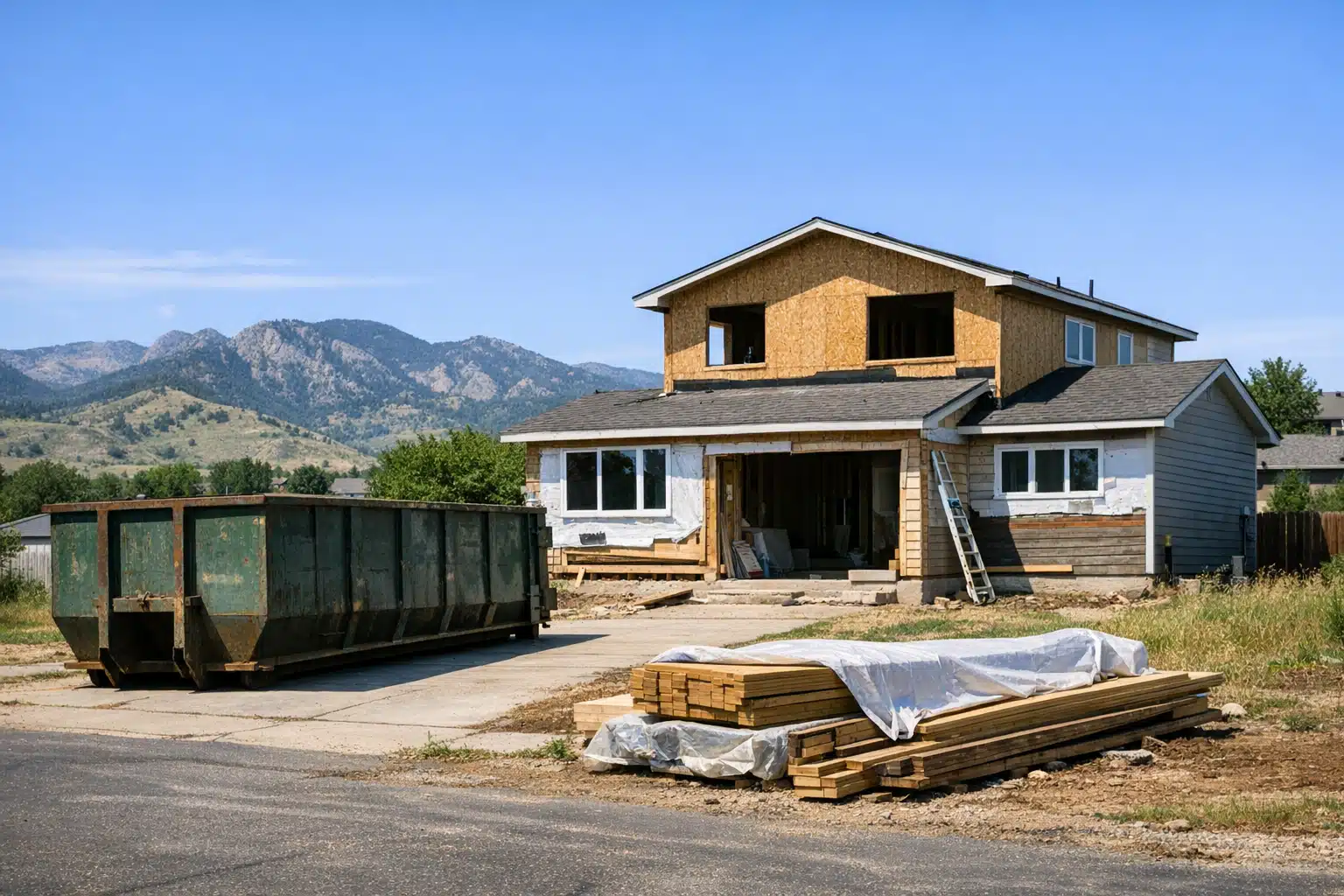
Summer is a challenging time for house flippers in Colorado due to significant permit delays. Understanding the causes and implementing strategic planning can help maintain project timelines and minimize costs.
- Permit delays peak in summer as application volume increases and staff availability decreases. Denver, Boulder, and surrounding suburbs experience the longest wait times.
- Investors should file permits early, split project scopes, and prepare clean plans to avoid setbacks. Using local expediters can also help streamline the process.
- Flexible financing options can mitigate the impact of delays, allowing for predictable costs and quicker project initiation.
Permit delays for house flippers in Colorado during summer are primarily caused by increased application volumes and staff vacations. Between June and August, the demand for building permits surges, leading to longer processing times that can extend from three weeks to eight weeks, significantly impacting project timelines and costs.
Summer is peak season for house flippers in Colorado, and it is also when permit counters slow to a crawl. Colorado building permit delays spike between June and August, when application volume climbs and municipal staff take vacation. A three-week wait can turn into eight, and every extra day burns holding costs on your loan.
This post covers why summer bottlenecks happen, which Colorado jurisdictions run slowest, and specific moves to keep your flip on schedule. You will learn how to structure your timeline and financing around the delay instead of getting caught by it.
Why Colorado Building Permit Delays Get Worse in Summer
Permit backlogs in Colorado follow a predictable seasonal curve. Application volume rises when weather clears and construction ramps up statewide.
Three things stack up at once during summer months:
- Volume surge: Homeowners, builders, and flippers all file at the same time.
- Staff shortages: Plan reviewers and inspectors take summer leave, shrinking department capacity.
- Complex reviews: Structural and mechanical changes trigger multi-department sign-offs that move slowly.
The result is a widening gap between submission and approval. A permit that clears in ten business days in February can stretch past a month in July.
Which Jurisdictions Run Slowest
Wait times vary widely across the Front Range. Denver, Boulder, and fast-growing suburbs carry the heaviest loads.
- Denver: Complex remodels routing through multiple divisions face the longest queues.
- Boulder County: Energy code and land-use reviews add extra steps.
- Adams and Arapahoe suburbs: Rapid growth outpaces staffing in several offices.
Smaller mountain towns can move faster but have fewer reviewers. One person on leave can freeze an entire counter for a week.
How Permit Delays Threaten Your Flip Loan Timeline
A stalled permit does not pause your loan interest. Holding costs accrue whether or not a hammer swings.
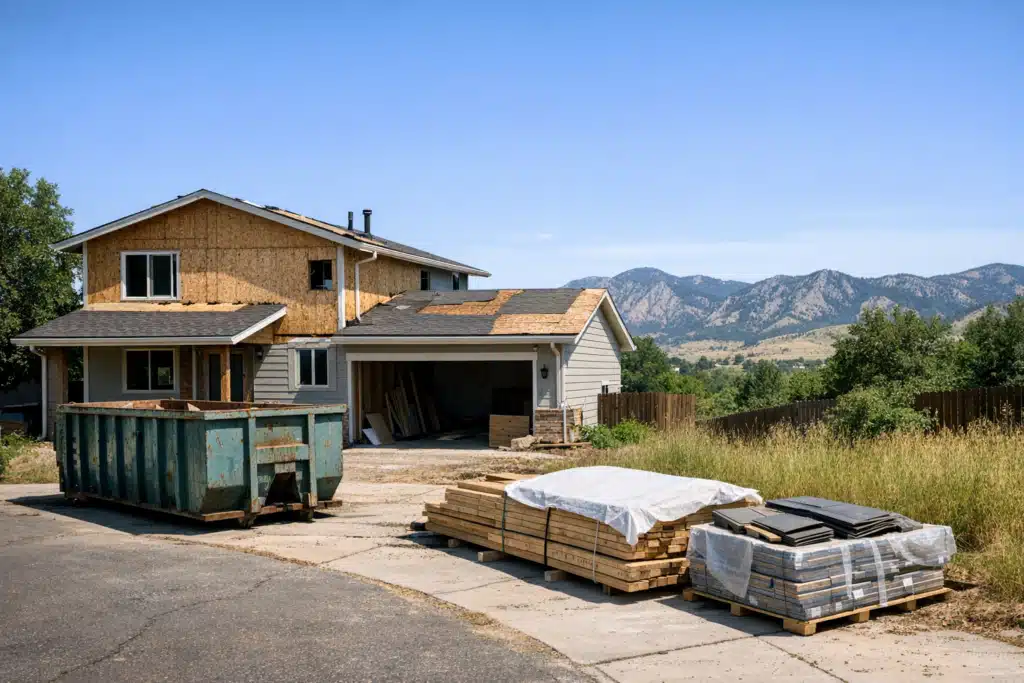
On a typical six-month hard money loan, an extra six weeks of delay creates real damage:
- Interest payments keep compounding on the full loan balance.
- Insurance and property taxes continue during the idle window.
- Contractor schedules slip, and crews move to other jobs.
- Market timing shifts, pushing your sale into a slower season.
A flip built on a tight margin can lose thousands to a single permit backlog. The math punishes anyone who treats approval time as an afterthought.
A Real Front Range Scenario
An investor buys a Lakewood ranch in late May planning a full interior remodel plus a rear addition. The addition needs structural and mechanical review.
The application lands in a June queue behind hundreds of others. Approval that was penciled for three weeks takes seven. That extra month adds roughly four weeks of interest, insurance, and a delayed listing that misses the strong summer buyer pool.
How to Keep Your Summer Flip Permits on Schedule
You cannot control the permit counter, but you can control your preparation. The investors who move fastest treat permitting as the first task, not the last.
Follow this sequence to protect your timeline:
- File before you close, when allowed. Some jurisdictions accept applications with a purchase contract. Ask early.
- Split your scope. Pull cosmetic and interior permits separately from structural work so cosmetic crews start sooner.
- Submit clean plans. Incomplete drawings trigger rejection and send you to the back of the line.
- Use a local expediter. Expediters know reviewer preferences and catch errors before submission.
- Pre-book inspections. Schedule inspection slots as soon as your permit issues, since summer inspector calendars fill fast.
Each step shaves days off the calendar. Stacked together, they can recover several weeks of lost time.
Build Buffer Into Your Numbers
Smart flippers underwrite summer projects with a permit buffer baked in. Add four to six weeks to any project requiring structural, electrical, or plumbing review.
Run your holding-cost math against that longer timeline before you buy. If the deal still profits with a delayed approval, it can survive a backlog.
Sequence Work Around Pending Approvals
Do not idle your crew waiting on paper. Order work so no-permit tasks happen during the review window.
- Demolition of non-structural elements where permitted.
- Landscaping and exterior cleanup.
- Material ordering and staging for long-lead items.
- Cabinet and finish selections finalized in advance.
Keeping momentum on these fronts means the permit approval unblocks a project already in motion.
How Flexible Financing Absorbs Permit Delays
The right loan structure turns a permit backlog from a crisis into a manageable bump. Rigid terms punish delays that were never in your control.
Loan features that protect summer flippers include:
- Interest-only payments that keep monthly carry predictable during idle weeks.
- Extension terms defined upfront, not negotiated in a panic.
- Draw schedules tied to work completed, not calendar dates.
- Fast closings that let you file permits sooner after acquisition.
Apex Money Lending Group structures loans with Front Range permit realities in mind. Closing quickly gets your application into the queue weeks earlier than a slow bank timeline would allow.
Why Speed to Close Matters Most
Every day between contract and permit filing is a day you cannot recover. A lender who closes in days instead of weeks moves your project ahead of the summer rush.
Filing in early June versus late June can mean the difference between a July approval and an August one. Financing speed directly shortens your total permit exposure.
Questions to Ask Before You Buy a Summer Flip
Screen deals for permit risk before you commit capital. A few questions upfront prevent expensive surprises later.
- Does the scope require structural, mechanical, or land-use review?
- What is the current stated turnaround at that jurisdiction?
- Can I file with a contract, or must I wait until closing?
- Does my loan carry extension terms if approval runs long?
- Can I sequence no-permit work during the review window?
Deals that answer these cleanly carry lower timeline risk. Deals that do not deserve a bigger holding-cost cushion.
Key Takeaways
Colorado building permit delays peak in summer, and they attack your margin by extending holding costs on a live loan. Prepare by filing early, splitting scope, sequencing no-permit work, and building a four-to-six week buffer into your numbers. The right financing structure absorbs the delay instead of amplifying it.
Apex Money Lending Group closes fast and structures flip loans around real Front Range permit timelines. Call or text 720‑365‑4344, email info@apexmoneylending.com, or visit https://apexmoneylending.com to line up financing before your next summer project.
Sources
- City and County of Denver – Community Planning and Development
- City of Boulder – Building Permits
- International Code Council – Building Codes and Permitting

