
Denver’s Gentrification: Investment Opportunities in Up-and-Coming Neighborhoods
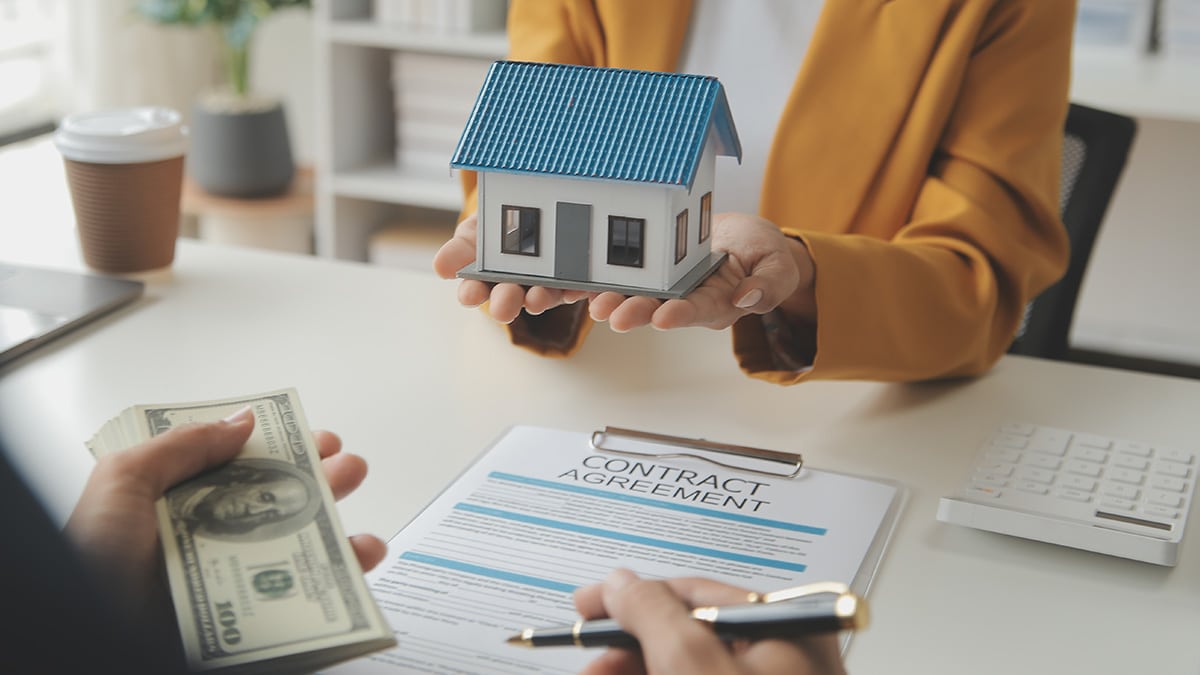
Denver's gentrifying neighborhoods present unique investment opportunities, with property values rising significantly due to city improvements and increased demand. Investors who recognize early signs of change can acquire properties at lower prices and benefit from substantial appreciation.
- Emerging neighborhoods can see property values increase by 40–60% within a few years due to infrastructure upgrades and revitalization efforts.
- Investors can capitalize on discounted prices in these areas before demand accelerates, often using alternative financing methods.
- Key indicators for investment include rising rental demand, new business developments, and municipal spending on improvements.
Investment opportunities in Denver's gentrifying neighborhoods arise from predictable patterns where city-funded improvements lead to significant property value increases. Investors can benefit from buying properties at lower prices before demand rises, as these areas often experience value growth of 40–60% within a few years, despite traditional lenders' hesitance.
Denver’s gentrifying neighborhoods follow predictable investment patterns—and investors who understand those signals are often positioned for outsized returns. As city-funded improvements like transit upgrades, infrastructure projects, and neighborhood revitalization take hold, property values in emerging areas can rise 40–60% within just a few years. These neighborhoods still trade at a significant discount compared to nearby established districts, creating a narrow window where investors can buy low before demand accelerates. Traditional lenders frequently avoid pre-gentrified areas due to perceived risk, opening the door for investors who rely on alternative financing strategies and move quickly.
By tracking indicators such as rising rental demand, new business development, school improvements, and municipal spending, real estate investors can identify the right timing for fix-and-flip, buy-and-hold, and redevelopment opportunities across Denver’s evolving neighborhoods.
Why Denver’s Gentrification Creates Fast-Moving Investment Opportunities
Denver’s gentrification is fueled by strong population growth, rising incomes, and a persistent housing shortage—conditions that accelerate neighborhood change. As demand increases faster than new housing supply, previously undervalued areas transition quickly and attract new residents, businesses, and development.
These neighborhoods typically follow a predictable pattern: creative professionals move in first, followed by local businesses, and then larger developers. Investors who recognize these early signals often see property values rise 40–60% within 18–36 months, compared to slower appreciation in established neighborhoods.
By tracking indicators such as new business openings, permit activity, and income growth, investors can identify opportunities well before institutional buyers enter the market. This early timing allows individual investors to acquire properties at lower prices and capture appreciation on a much faster timeline than traditional real estate investments.
How Smart Investors Use Changing Neighborhoods to Build Wealth Fast
Most real estate investors wait until everyone agrees that a neighborhood has improved. Smart gentrification investors buy property during the risky early phase when prices sit 25-35% below what they’ll be worth in two years. These investors spot target areas by watching where cities spend money on roads and utilities, tracking new business licenses, and studying population movement patterns.
| Strategy Component | Implementation Timeline |
| Property acquisition | Months 0-6 |
| Value-add renovations | Months 3-12 |
| Tenant repositioning | Months 6-18 |
| Equity extraction | Months 18-36 |
This method creates fast returns through forced appreciation instead of waiting for the market to raise values. Investors make light to moderate upgrades that match what new residents want. They refinance the mortgage or sell the property once other sales in the area prove the higher values are real. This approach builds 40-60% equity stakes within three years compared to 15-20% from simple buy-and-hold investing in stable neighborhoods.
Key Investment Indicators:
- Municipal infrastructure spending on water lines, street improvements, and public transit
- Zoning changes that allow mixed-use development and higher-density housing
- Business permit data showing coffee shops, fitness centers, and organic grocery stores
- School district boundary adjustments and education quality improvements
- Crime statistics showing sustained decreases over 12-18 month periods
Identifying Denver Neighborhoods Ripe for Value-Add Investments
Certain Denver neighborhoods show clear signs that point to strong price growth in the near future.
Westwood and Villa Park
These two neighborhoods offer homes priced 40-50% lower than the Denver average.
New residents moving into these areas earn 15-20% more each year than previous residents.
The Regional Transportation District’s light rail system connects both neighborhoods to downtown Denver and Denver International Airport.
Local business districts along Morrison Road and Federal Boulevard are adding new restaurants, retail shops, and service businesses.
Globeville and Elyria-Swansea
These neighborhoods sit next to industrial zones, which some investors see as a negative factor.
The Denver City Council changed zoning rules to allow buildings that mix apartments, offices, and stores in the same structure.
The National Western Center project brings $180 million in new roads, parks, and utilities between now and 2026.
Investment properties here produce returns of 8-12% per year, compared to Denver’s typical 5.5% return rate.
Sun Valley
The Denver Housing Authority plans to build 1,800 homes at different price levels in Sun Valley.
The city allocated $75 million for street improvements, a new recreation center, and better sidewalks.
Investors should track three key data points: building permits filed with the city, new business licenses issued, and U.S. Census Bureau demographic updates.
Properties needing paint, flooring, and kitchen updates—rather than foundation work or roof replacement—typically deliver the best profit relative to risk.
Why Traditional Financing Falls Short in Gentrifying Areas
Banks reject 60-70% of loan applications for properties in neighborhoods undergoing demographic and economic transformation. Borrowers with strong credit scores above 680 and stable W-2 income still face denials. Traditional underwriting algorithms classify transitioning communities as high-risk investments because property values fluctuate unpredictably and comparable sales data show inconsistent patterns.
Real estate appraisers working in gentrifying districts frequently assign property values below the agreed purchase price. This valuation gap between market price and appraised value stops transactions from completing. A buyer agreeing to pay $250,000 might receive an appraisal of $220,000, creating a $30,000 financing shortfall that conventional 80% loan-to-value mortgages cannot bridge.
Banks require standardized neighborhood metrics before approving loans: stable median household income, consistent resident demographics, and predictable annual appreciation rates between 3-5%. Gentrifying ZIP codes display rapid demographic shifts, income volatility, and appreciation spikes exceeding 10-15% annually. These characteristics trigger automated risk flags in conventional lending software systems.
Properties in revitalizing areas often need substantial capital improvements: foundation repairs, electrical system upgrades, plumbing replacements, and cosmetic renovations. Standard Fannie Mae and Freddie Mac mortgages exclude renovation costs from loan amounts. Buyers must secure separate construction financing or pay cash for improvements.
The timing gap between conventional lending processes and competitive market demands creates deal failures. Traditional mortgage underwriting spans 30-45 days from application to closing. Properties in desirable gentrifying neighborhoods receive multiple offers, and sellers accept contracts guaranteeing 14-day closings. Buyers dependent on conventional financing cannot compete against cash offers or alternative financing structures.
This structural mismatch between traditional lending requirements and gentrifying neighborhood realities creates market space for alternative capital providers. Private money lenders, hard money loan programs, and bridge financing products serve real estate investors pursuing value-add renovation strategies in transitioning markets where conventional banks refuse to lend.
How Gentrification Impacts Property Values and Rental Demand
When neighborhoods change from lower-income areas to higher-income communities, home prices grow 2-3 times faster than the rest of the city. Denver’s changing neighborhoods show this pattern clearly.
Median home prices rise 15-20% each year in these areas, while the metro area overall sees only 6-8% growth. This faster price growth happens because of better infrastructure, new businesses, and wealthier residents moving in.
Rental demand gets stronger during this time, but the types of renters change completely. When lower-income tenants leave, apartments sit empty for a short time.
Then new renters fill these units quickly and pay 25-40% more in rent. Properties bought in neighborhoods just starting to gentrify gain the most value while keeping tenants in their units. Timing matters—buying 18-24 months before a neighborhood reaches peak gentrification brings the best profits.
Investors should study job growth data, public transportation projects, and building permit records. These factors signal when property values will rise.
Understanding zoning laws, neighborhood investment plans, and census income data helps predict which areas will gentrify next. Smart investors track retail development, school quality improvements, and crime rate changes as key markers of neighborhood transformation.
Fix-and-Flip Opportunities in Denver’s Emerging Neighborhoods
Growing neighborhoods provide long-term value gains. Fix-and-flip strategies produce faster profits in Denver’s developing areas. Successful projects earn 18-25% returns within 6-9 months.
Three neighborhoods show different investment numbers:
| Neighborhood | Average Purchase Price | Renovation Cost | After-Repair Value |
| Westwood | $285,000 | $65,000 | $425,000 |
| Globeville | $245,000 | $55,000 | $375,000 |
| Elyria-Swansea | $265,000 | $60,000 | $395,000 |
Successful flips focus on properties needing surface-level fixes to medium repairs. Investors avoid homes with foundation problems, roof damage, or major structural issues. Investors choose homes near new bus lines and train stations. These properties sell 45 days faster than homes in outer areas.
Market data shows specific renovation features drive higher sale prices. Homes with updated kitchens sell for 12-18% more than similar homes without updates. The same applies to modern bathrooms and open floor plans that connect living spaces. Buyers in these Denver neighborhoods pay premium prices for move-in-ready homes with current design styles.
The fix-and-flip model works best in neighborhoods experiencing population growth and infrastructure improvements. Westwood benefits from proximity to downtown Denver and light rail access. Globeville sits near the National Western Center redevelopment project. Elyria-Swansea connects to major highways and sees new commercial development.
Real estate investors should calculate total project costs, including purchase price, renovation expenses, holding costs, and selling fees. The typical holding period of 6-9 months includes acquisition time, permit approval, construction duration, and marketing period. Profit margins depend on accurate cost estimates and efficient project management.
Buy-and-Hold Investments in Gentrifying Denver Markets
Rental properties in developing Denver neighborhoods provide steady monthly income and property value increases of 5-10 years. Westwood and Villa Park show solid investment potential: home prices stay 30-40% lower than Denver’s average, and rental demand grows 8-12% each year. Smart investors buy near future light rail stations and new shopping centers. Properties close to public transportation gain 15-20% more value than others.
Target these numbers: purchase price under $400,000, rental income at 7% or higher of property value, and neighborhoods adding more than 5% population yearly. Property taxes, insurance payments, and repair savings need exact math to keep monthly profits positive. Strong buy-and-hold plans focus on middle-tier neighborhoods moving toward stability. Rental payments cover mortgage costs, and property value climbs through market growth.
Key investment factors include:
- Location nearthe Regional Transportation District (RTD) rail lines
- Mixed-use zoning districts with retail and residential space
- Working-class to middle-class neighborhood ratings
- Census tract data showing population increases
- Property condition requiring minimal capital improvements
- Rental market absorption rates above metro average
- School district quality scores affecting family renters
- Crime statistics trending downward
- Commercial development permits filed with the Denver Department of Community Planning and Development
- Gross rent multiplier calculations confirming the purchase price
The equity accumulation strategy depends on rental income stability and real estate market appreciation cycles in Denver County.
Risks and Rewards of Investing in Gentrifying Neighborhoods
Buying property in changing neighborhoods can increase your money by 40-60% or cause you to lose everything during the same 5-10 year period. Your success depends on when you buy, whether the neighborhood actually improves, and how fast current residents move out. Denver’s changing areas create unequal chances where people who buy early make the most money, but people who buy late pay too much and earn less profit.
| Reward Factors | Risk Factors |
| Home values rise 8-12% each year | The neighborhood stops improving or gets worse |
| More renters want to live there (15-25% increase) | Residents fight new buildings and slow growth |
| New roads, parks, and transit raise property worth | Property taxes jump 30-50% |
Data shows that real estate investors who buy during the first two years of neighborhood change get the best balance of profit and safety. Buying after the peak means lower yearly returns and needing to keep the property longer before selling at a profit.
Smart investors track demographic shifts, building permits, new business openings, and crime statistics to identify neighborhoods in the first 24 months of transformation. Buying property in gentrifying areas after everyone knows about the change means paying premium prices for standard returns.
How Zoning Changes and Development Projects Drive Gentrification
City councils change land rules when they rezone areas from single-family homes to mixed-use buildings or apartment complexes. Property values jump 22-35% within 18 months in areas up to half a mile away. Denver’s rezoning records from 2019-2023 show this pattern.
These government decisions create pressure on property owners and investors. Real estate developers buy older properties and tear them down to build new projects.
Transit projects like light rail stations make this effect stronger. Homes and buildings near new train stations gain value 40% faster than properties in other parts of the city. Large infrastructure spending by cities sends a clear message that officials want to transform a neighborhood. This attracts retail stores, restaurants, and people with higher incomes who want to move there.
Real estate investors who watch city planning meetings learn about changes 6-12 months before most people find out. This head start matters before competition drives prices up.
Big construction projects over $50 million cause other investors to start buying property within three blocks. This creates a chain reaction where values keep rising.
Zoning variance requests and planned unit development applications give investors concrete data. These official documents help predict which neighborhoods will gentrify next.
Property buyers use this information to find entry points with the best balance between risk and profit potential. City planning records, building permits, and transportation authority budgets contain the clearest signals about where neighborhood change will happen.
Managing Risk While Investing in Gentrifying Denver Neighborhoods
Profit potential draws investors to changing neighborhoods. Financial losses grow when demographic shifts stop or move backward. Market analysis shows three main risk factors:
- Empty properties for over 6 months when expected renters never arrive, destroying expected profits
- Property tax increases of 40-60% that grow faster than rent money during neighborhood changes
- Delayed infrastructure projects that leave purchased buildings cut off from promised train stations and shopping areas
Denver neighborhood data from 2015-2023 shows successful investors keep cash reserves that cover 18-24 months of property costs. Census tract income velocity tracks year-over-year changes in typical household income. This measurement gives clear warning signs early.
Properties bought in areas showing steady income growth of 8% or more each year beat risky purchases in slower-changing neighborhoods by 23% over five years.
How to Calculate ROI on Gentrification-Based Investments
| Metric | Calculation | Target Range |
| Cap Rate (Capitalization Rate) | Net Operating Income ÷ Purchase Price | 6-9% |
| Cash-on-Cash Return | Annual Cash Flow ÷ Cash Invested | 8-12% |
| IRR (Internal Rate of Return) | Time-Weighted Total Return | 15-20% |
- Cap Rate measures how much money a property makes each year compared to what you paid for it. Net Operating Income means the rental income minus expenses like repairs, property taxes, and insurance.
- Cash-on-Cash Return shows how much actual money you get back each year from the cash you put in at the start. This includes your down payment and closing costs.
- IRR tracks your total profit over time, accounting for when you receive money throughout the investment period.
Investors need to factor in three main elements: neighborhood appreciation rates (how much home values increase), renovation costs (money spent fixing up the property), and holding periods (how long you own it).
Denver’s gentrifying neighborhoods have shown 8-15% annual appreciation in property values over recent years. Each property performs differently based on the specific city block location, local amenities (parks, transit, shops), crime rates, school quality, and when improvements occur relative to neighborhood development cycles. Properties on corner lots near new commercial development typically appreciate faster than mid-block locations. Timing matters—buying early in a neighborhood’s transformation phase yields higher returns than entering after major appreciation already occurred.
Using Hard Money to Secure, Rehab, and Refinance Denver Properties
Hard money loans are short-term financing options backed by real estate equity. Lenders focus on the property’s value instead of your credit score. These loans close in 7-14 days, while traditional bank mortgages take 30-45 days.
In Denver’s changing neighborhoods, this quick closing helps real estate investors buy good properties before prices go up.
The BRRRR strategy (Buy, Rehab, Rent, Refinance, Repeat) helps investors use their money wisely:
- Buy damaged properties at 60-70% of their fixed-up value using hard money loans with 9-12% interest rates.
- Fix up the property in 3-6 months, raising the property value by 25-40%.
- Get a traditional mortgage at 4-6% interest rates, pulling out your starting money to buy more properties.
Denver homes gain 8.3% in value each year on average. When investors combine this natural price growth with the value they add through repairs in developing areas, they increase their profits.
Why Local Hard Money Lenders Give Denver Investors a Competitive Edge
Local hard money lenders in Denver close deals 40% faster than out-of-state companies. They work with the same appraisers, contractors, and title companies in specific neighborhoods. Speed matters when properties get multiple offers within 72 hours of hitting the market.
| Factor | Local Lenders | National Lenders |
| Average Approval Time | 3-5 days | 7-14 days |
| Market Knowledge | Neighborhood-specific data | Citywide generalization |
| Network Access | Established local partnerships | Limited regional connections |
| Inspection Response | Same-day scheduling | 5-7 day delays |
Local lenders know neighborhoods like Five Points and Westwood, where property values are rising. They understand which blocks are improving and which ones carry a higher risk. Their connections to local inspectors and appraisers mean faster property evaluations. Deals close 12-18 days sooner compared to national lenders. Getting to closing first helps investors win properties in competitive situations.
Denver real estate investors need quick financing decisions. When a seller accepts an offer, the buyer with faster funding wins. Local hard money lenders provide financing approval within days, not weeks. Their appraisers already know Denver zip codes, school districts, and neighborhood trends. Title companies they work with handle Denver County recording requirements without delays.
The difference between local and national lenders shows up during the inspection phase. Local lenders send inspectors the same day or the next day. National companies take nearly a week to schedule the same inspection. Each day of delay gives competing buyers time to submit better offers or all-cash deals.

