
Air Conditioning Upgrades: Essential Summer Rental Property Improvements
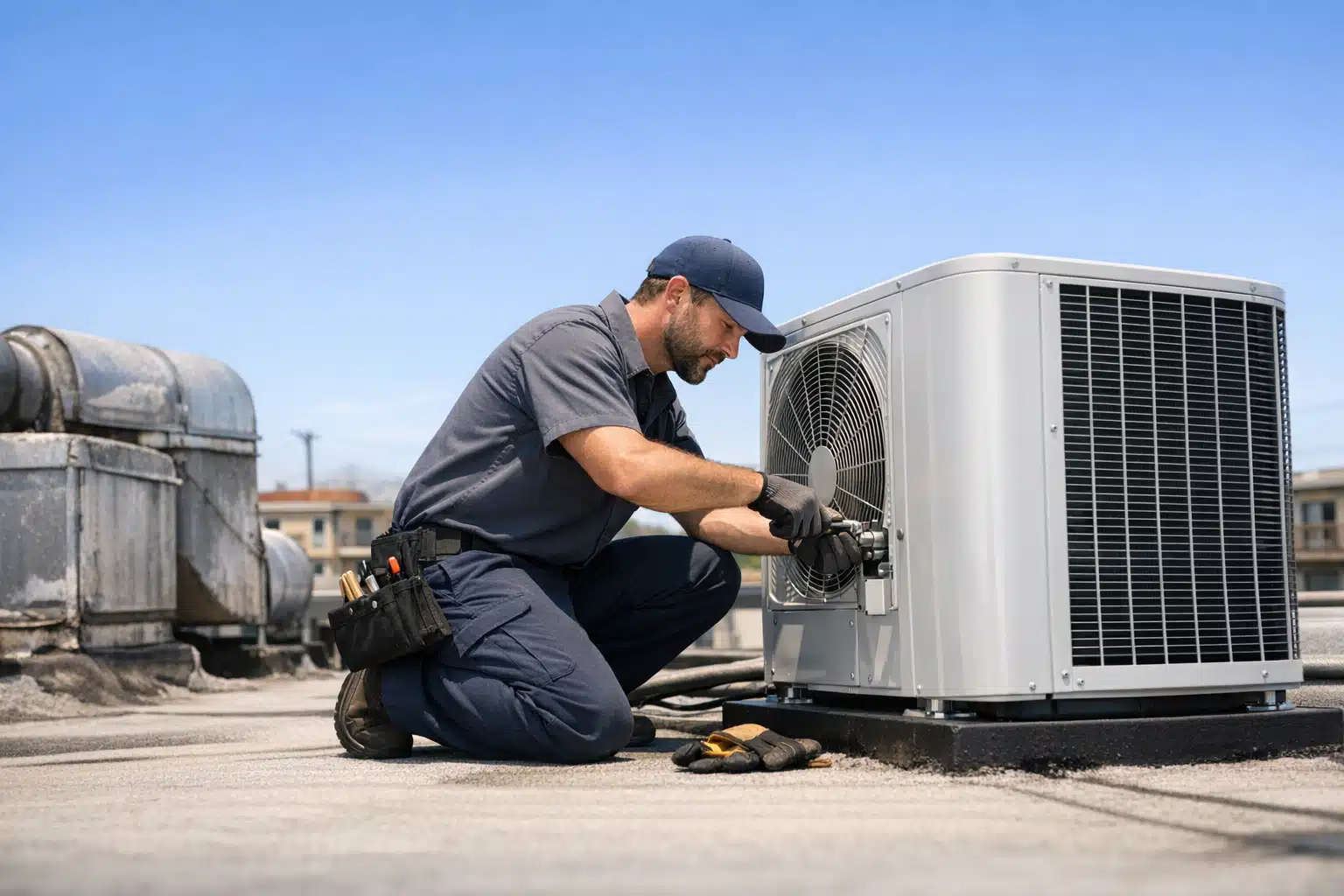
Upgrading air conditioning systems is vital for rental property owners to maintain income during summer heat. Timely improvements and financing options can prevent costly vacancies and ensure tenant satisfaction.
- A broken AC unit can lead to lost rental income and tenant disputes. Owners should prioritize upgrades before summer heat peaks.
- Financing options allow for immediate repairs without depleting cash reserves. This helps manage multiple properties effectively.
- Investing in high-efficiency systems and smart technologies can reduce energy costs and enhance property appeal.
Upgrading air conditioning in rental properties helps prevent costly breakdowns during peak summer months, ensuring tenant satisfaction and retention. It also protects rental income by minimizing the risk of vacancies and enhances the property's overall value, making it a smart investment for property owners.
A broken AC unit in July does not wait for your savings account to catch up. When a compressor fails during a heat wave, you lose rental income, tenant goodwill, and sometimes the lease itself. AC upgrade financing gives rental property owners a way to fix cooling problems immediately, before an empty unit or an angry tenant costs more than the repair.
This post explains how summer cooling upgrades protect your income stream. You will learn which improvements pay off, how to time them, and how financing keeps a heat emergency from draining your cash reserves.
Why Summer AC Upgrades Directly Protect Rental Income
Rental income depends on habitability, and cooling is part of that standard in most warm-climate markets. A unit without working air conditioning becomes hard to rent and harder to keep occupied.
When temperatures climb past 95°F, tenants have leverage. In several states, extended loss of cooling can qualify as a habitability violation, giving renters grounds to break a lease or withhold rent.
The math is direct. A $6,000 HVAC replacement looks expensive until you compare it to one month of vacancy on a $2,200 unit plus turnover costs. Two months vacant erases the savings of delaying the repair.
The Hidden Cost of Waiting
Deferred cooling repairs compound. A struggling 15-year-old condenser that limps through June usually fails in the hottest week of August.
That timing is the worst case. HVAC contractors book out during heat waves, so emergency service costs more and takes longer. A planned spring replacement avoids both the premium and the scramble.
How AC Upgrade Financing Keeps Cash Reserves Intact
AC upgrade financing is short-term capital used to fund HVAC replacements or improvements without draining operating reserves. It lets you fix the problem this week and spread the cost across months of rental income.
Owners with multiple units face a common trap. One failed system does not warn you before the next one goes. Paying cash for a $7,000 replacement can leave you exposed when a second property needs a roof or a water heater.
Financing keeps your reserve fund available for the next surprise. It converts a large one-time hit into predictable payments that your monthly rent already covers.
When Financing Makes More Sense Than Cash
- Peak-season emergencies — when a fast fix protects occupied units and active leases.
- Multiple properties — when concentrating cash into one repair leaves others uncovered.
- Portfolio growth — when reserves are earmarked for a down payment or acquisition.
- Bundled upgrades — when replacing an aging system alongside ductwork or insulation.
Which AC Upgrades Return the Most on Rental Property Improvements
Not every cooling upgrade earns its keep. Focus spending where it lowers vacancy, cuts operating costs, or supports higher rent.
1. High-Efficiency Central AC Replacement
Replacing a system rated below SEER 13 with a modern SEER2 unit cuts cooling energy use sharply. For units where the owner pays utilities, that reduction shows up on every summer bill.
A new system also becomes a listing feature. “Recently updated central air” reduces days on market in hot regions.
2. Ductless Mini-Split Systems
Mini-splits fit older buildings without existing ductwork. They cool individual units or additions where extending central air would be costly.
For a converted duplex or a finished basement rental, a mini-split adds a rentable cooled space at a fraction of full ductwork installation.
3. Smart Thermostats
Smart thermostats reduce runtime and extend equipment life. In common-area or owner-paid setups, they curb energy waste when units sit empty between tenants.
They cost a few hundred dollars per unit and pay back inside a season or two.
4. Duct Sealing and Insulation
Leaky ducts waste up to 20 to 30 percent of cooled air before it reaches the room. Sealing them makes an existing system perform like a larger one.
This is one of the cheapest ways to fix a “the AC runs but the unit is still hot” complaint.
How to Plan and Finance a Summer AC Upgrade
A structured plan keeps the upgrade from becoming a panic purchase. Follow these steps.
- Audit each unit before June. Check the age of every condenser and note any that are past 12 years.
- Get two written quotes. Compare equipment tier, SEER2 rating, and labor warranty side by side.
- Prioritize by risk. Fund the oldest systems and occupied units first.
- Secure financing before failure. Approval in advance means you order equipment the day a system dies.
- Schedule installs off-peak. Spring and early fall labor rates beat mid-July emergency pricing.
Pre-arranged AC upgrade financing turns step four into a same-day decision. You skip the wait for loan approval during the exact week contractors are booked solid.
Timing Example: The August Failure
An owner in a Phoenix fourplex ignored a noisy 14-year-old condenser in May. It failed on August 8 with the tenant home and outdoor temps at 110°F.
Emergency replacement ran 30 percent above a spring quote. The tenant demanded a rent credit for two uncomfortable nights. Financing arranged in April would have replaced the unit on the owner’s schedule at the lower rate.
Matching Financing to the Upgrade Size
Different upgrades call for different funding amounts. A single mini-split differs from a full multi-unit HVAC overhaul.
- Single-unit repair or thermostat batch — smaller, short-term financing repaid across one or two rent cycles.
- One full central system replacement — mid-size financing spread across a season.
- Portfolio-wide upgrade — larger amount structured against multiple properties’ income.
The right structure keeps monthly payments below the added value the upgrade produces. Cooling that keeps a unit occupied covers its own financing.
Key Takeaways
Summer cooling failures threaten rental income more than the repair bill suggests, and delayed fixes cost more in peak season. AC upgrade financing protects your reserves while keeping units cooled, tenants housed, and leases intact. Plan upgrades before June, prioritize the oldest systems, and arrange funding in advance so a failure never becomes a vacancy.
Apex Money Lending Group funds HVAC and other rental property improvements quickly, so a broken system never sits idle in a heat wave. Call or text 720‑365‑4344, email info@apexmoneylending.com, or visit https://apexmoneylending.com to arrange financing before summer.
Sources
- U.S. Department of Energy – Central Air Conditioning
- ENERGY STAR – Ductless Heating and Cooling
- U.S. Department of Energy – Duct Sealing

