
Pool Installation Loans: Adding Value to Summer Property Flips
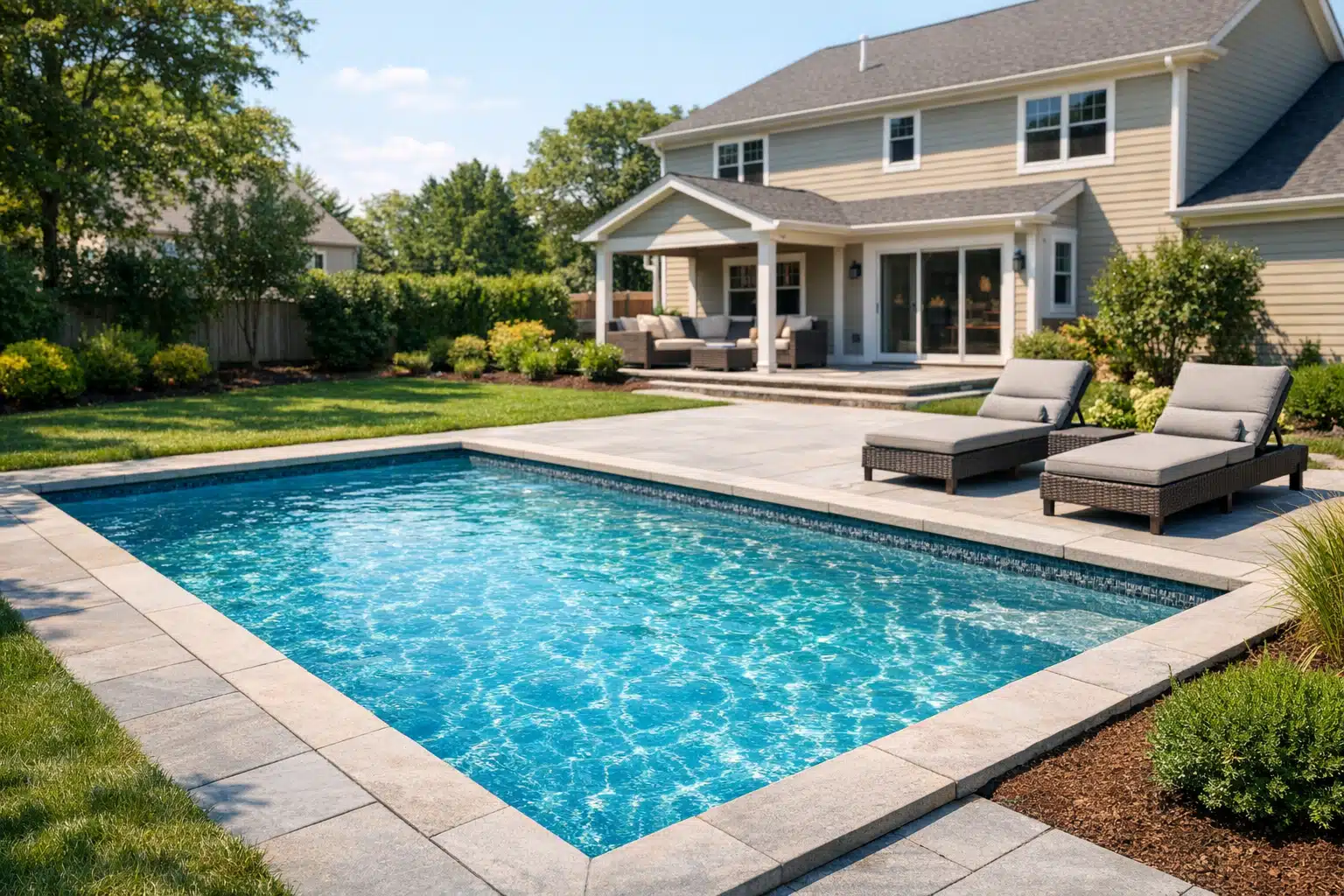
A backyard pool can significantly increase a home's resale value, especially during summer months. Pool installation financing allows house flippers to fund these projects quickly, maximizing their investment potential.
- A pool can add $30,000 or more to a home's value, particularly in warm markets. Buyers are more attracted to homes with pools during summer, leading to quicker offers.
- Hard money loans provide fast funding for pool installations, allowing flippers to meet tight timelines and avoid traditional bank delays.
- Not every property is suitable for a pool; factors like lot size and market conditions can affect the return on investment.
Pool installation loans are financing options that allow homeowners or house flippers to fund the installation of a backyard pool. These loans enable quick access to funds for this upgrade, which can significantly increase a property's resale value, especially in warm-weather markets during the summer months.
A backyard pool can add $30,000 or more to a home’s resale price during summer months. That figure climbs higher in warm-weather markets where buyers shop with July closings in mind. Pool installation financing lets house flippers fund that upgrade fast, without draining reserves needed for other repairs.
This post covers how hard money loans pay for pools, which projects earn their cost back, and how to time construction against the selling calendar. You will learn the numbers that separate a smart amenity from a money pit.
Why Pools Command Higher Prices in Summer Sales
A pool sells the fantasy of the season it is being shown in. Buyers touring a home in June picture weekend cookouts and cool evenings. That emotional pull translates into faster offers and stronger bids.
Seasonal amenities carry their strongest weight when buyers can use them immediately. A finished pool in a May listing photographs full and inviting. The same pool listed in November reads as a maintenance chore.
The Numbers Behind the Boost
An inground pool returns roughly 40% to 60% of its cost at resale in the right market. In hot climates like Phoenix, Las Vegas, or parts of Texas, that recovery runs higher. Cooler regions see thinner returns, which changes the math.
Here is where the calculation matters most:
- Warm markets: A $50,000 pool can lift summer property value by $35,000 to $45,000.
- Neighborhood fit: Pools return more when nearby comparable homes already have them.
- Buyer pool: Families and entertainers pay for pools; retirees rarely do.
Skip the pool if surrounding homes lack them. An outlier feature confuses appraisers and shrinks your buyer count.
How Pool Installation Financing Works for Flippers
Pool installation financing is short-term capital that covers construction costs on an investment property before resale. Hard money lenders like Apex Money Lending Group fund these projects based on the property’s after-repair value, not just your credit score.
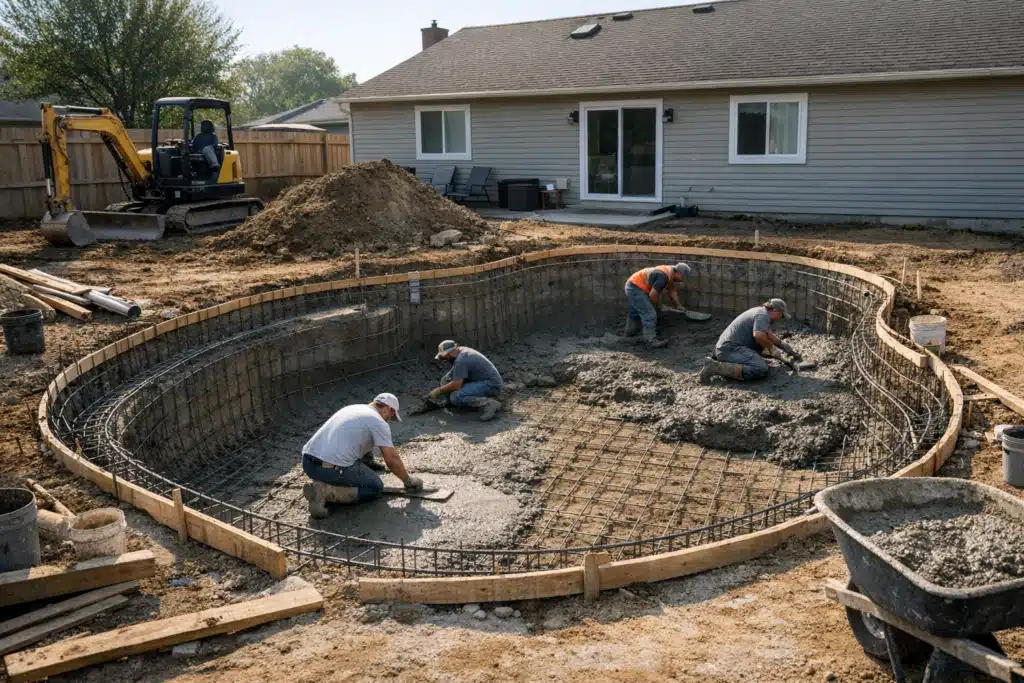
Traditional banks reject flip pools because the timeline is too short. A conventional home equity loan takes weeks and assumes long ownership. Hard money moves at the speed a summer flip demands.
What Sets Hard Money Apart Here
Speed decides whether your pool opens in June or August. A delayed pour pushes your listing past the peak selling window. Missing that window can cost you the entire premium you built.
Key features that matter for pool projects:
- Fast closing: Funds can arrive in days, not weeks.
- Draw schedules: Capital releases as construction milestones finish.
- ARV-based lending: Loan size reflects the finished home’s worth.
- Interest-only terms: Lower monthly cost during the build.
Timing a Pool Build Against the Selling Calendar
Pool construction takes 6 to 12 weeks from permit to first swim. That timeline dictates when you must break ground. Start too late and your amenity misses the buyers who pay most for it.
A Working Timeline for a Summer Flip
- February–March: Secure financing and pull permits.
- March–April: Begin excavation and structural work.
- May: Complete decking, fencing, and equipment.
- Late May–June: List the property with a filled, functioning pool.
Permitting delays wreck this schedule more than construction does. Some counties take four weeks to approve pool plans. Build that lag into your funding request from the start.
Fiberglass vs. Concrete for Flip Speed
Fiberglass shells install in 3 to 6 weeks. Concrete pools run 8 to 12 weeks and cost more. For a flip racing the calendar, fiberglass frequently wins on time and budget.
Running the Real Numbers Before You Borrow
Never fund a pool on gut feeling. Pull three recent sales of homes with pools in your target neighborhood. Compare them against similar homes without pools to isolate the added value.
A concrete example shows the logic:
- Purchase price: $320,000
- Pool cost financed: $48,000
- Added resale value: $40,000
- Net position on pool: negative $8,000 before holding costs
That example loses money. The pool only pays off if comparable pooled homes sell for at least $55,000 more. Verify the spread before signing anything.
Costs Beyond the Pool Itself
The shell is one line on a longer bill. Buyers judge the whole backyard, not the water alone. Budget for the full picture:
- Safety fencing required by local code
- Decking or pavers around the perimeter
- Landscaping to frame the space
- Equipment covers and simple lighting
A bare pool in a dirt yard photographs poorly. The finishing touches decide whether buyers see luxury or liability.
When a Pool Is the Wrong Move
Not every flip earns a pool. Recognizing the losers protects your margin as much as picking winners. Walk away from a pool build in any of these cases:
- Small lot: A pool that eats the entire yard scares buyers with kids.
- Cold market: Short swim seasons cap the value buyers assign.
- Entry-level neighborhood: Budget buyers avoid the upkeep cost.
- Tight resale timeline: No room for permit delays before listing.
In cold or entry-level markets, redirect that capital. A kitchen refresh or added bathroom returns cash more reliably than a pool.
Structuring Your Loan for a Clean Exit
The best pool loan matches your holding period. Overshoot the term and you pay interest on money sitting idle. Fall short and you scramble to refinance mid-project.
Discuss these points with your lender before committing:
- Total draw amount covering pool and finishing work
- Draw schedule tied to inspection milestones
- Term length matching your listing and sale window
- Prepayment terms in case the home sells early
A pool that opens on schedule pulls buyers in and shortens days on market. That faster sale trims your holding costs and protects the gain.
Conclusion
Pool installation financing turns a summer amenity into a resale advantage, but only when the neighborhood comps support the spend. Match your build timeline to the selling season, verify the added value against real sales, and structure the loan to your exit. Done right, the pool pays for itself and speeds the sale.
Apex Money Lending Group funds pool projects fast enough to hit peak summer listings. Call or text 720‑365‑4344, email info@apexmoneylending.com, or visit https://apexmoneylending.com to price your next flip.
Sources
- Remodeling Magazine – Cost vs. Value Report
- National Association of Realtors – Research and Statistics
- U.S. Department of Housing and Urban Development – Buying a Home

