
Buying a Property Sight Unseen: How to Evaluate a Deal Remotely
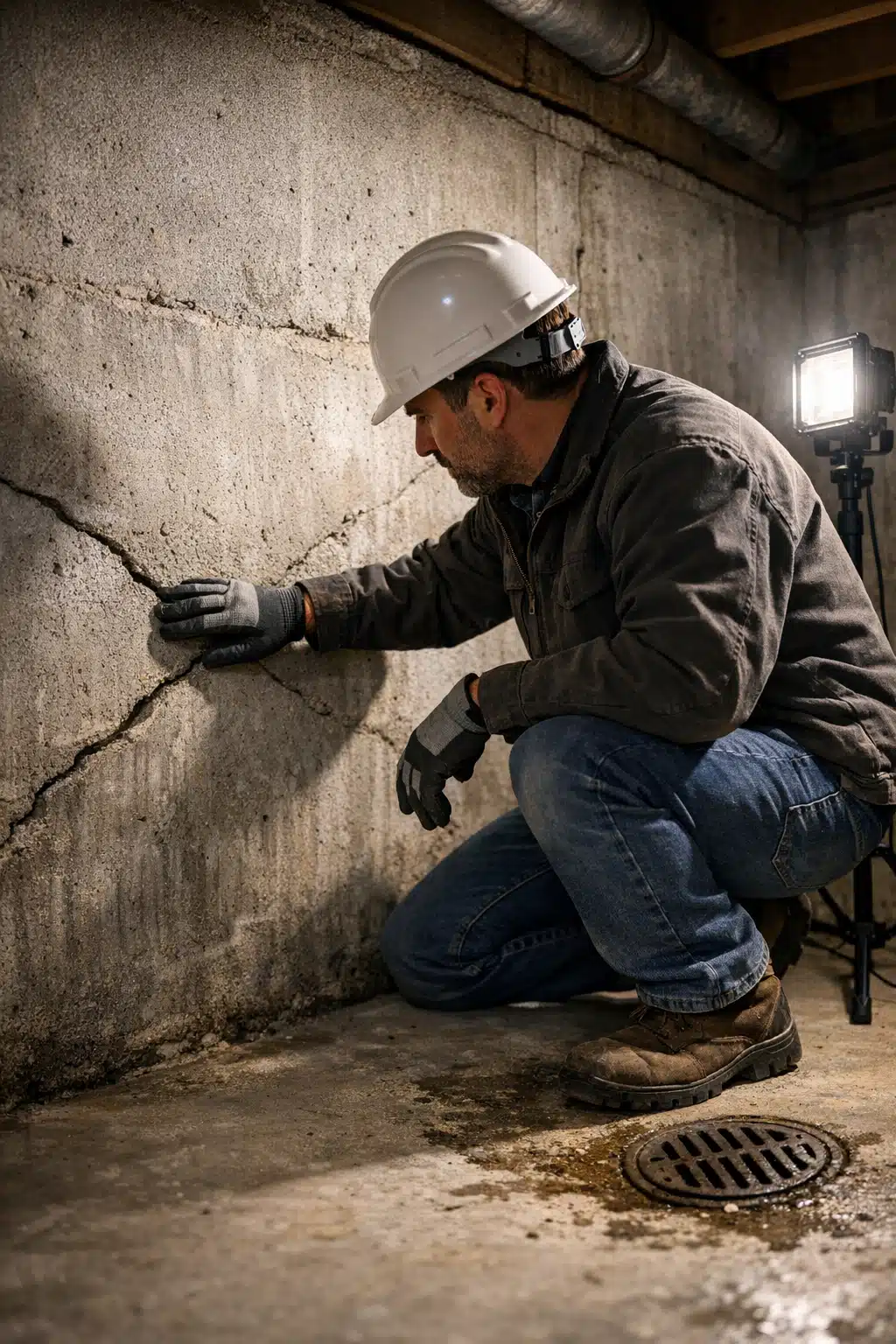
Investors can successfully buy rental properties sight unseen by conducting thorough remote evaluations. This article outlines essential steps to verify the property's condition, location, and documentation before making a financial commitment.
- Buyers should hire independent inspectors and agents to verify property claims. A structured evaluation process helps identify potential issues early.
- Key factors to check include the physical condition of the property, local market data, and title history. Each category must be verified to avoid costly surprises.
- Red flags like blocked inspections or exaggerated rent claims should prompt buyers to reconsider a deal. Proper due diligence can streamline financing and protect investments.
Buying a property sight unseen refers to purchasing real estate without physically visiting the location. This practice is becoming more common among investors, especially for rental properties in distant states. However, it carries increased risks, making thorough evaluations and checks essential before finalizing the deal.
Investors close on rental properties in states they have never set foot in. That is normal now. But buying property sight unseen multiplies your risk if you skip the right checks before funding.
This post covers how to run a remote property evaluation that catches deal-killers early. You get the specific documents to demand, the people to hire, and the red flags that should stop a wire transfer cold.
The angle here is due diligence, not loan paperwork. Getting financing approved is one part. Confirming the asset is worth the money is a separate discipline.
Why Buying Property Sight Unseen Fails Without a System
Most bad remote deals share one cause: the buyer trusted photos and a listing description. Marketing photos hide water stains, foundation cracks, and neighbors with three junk cars.
A structured evaluation replaces trust with verification. You confirm each claim about the property with an independent source.
Treat every listing as a set of claims to disprove. If the numbers survive your checks, the deal is real.
The Three Categories You Must Verify
- The physical asset — condition, systems, roof, foundation, and pest damage.
- The location — street quality, comparable sales, crime, and rental demand.
- The paper — title, liens, taxes, permits, and existing leases.
A weakness in any one category can sink returns. A cracked foundation costs $8,000 to $25,000 to repair, enough to erase two years of cash flow on a small rental.
Build Your Boots-on-the-Ground Team First
The single best move in remote property evaluation is putting paid, unbiased people on site. The listing agent works for the seller. You need your own eyes.
Four People Worth Hiring Before You Commit
- A licensed home inspector. Order a full report plus a sewer scope. A sewer line replacement runs $3,000 to $12,000 and rarely shows in photos.
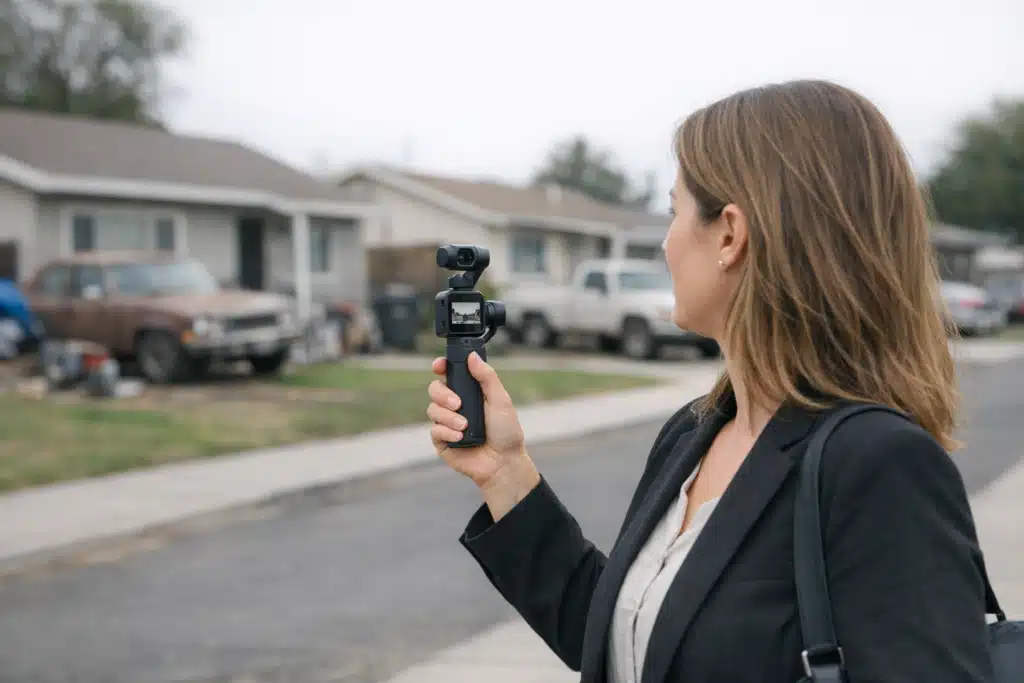
- A local agent representing you. Ask for a candid video walkthrough and honest comments on the street.
- A contractor for a repair bid. If the inspection flags issues, get a real number, not a guess.
- An appraiser or a second agent for comps. Confirm the value independent of the seller’s price.
Pay for a live video walkthrough where someone drives the block, not just the house. Ask them to film neighboring properties, the nearest intersection, and any commercial buildings within two blocks.
Run a Structured Remote Property Evaluation
Follow a fixed sequence. Each step gates the next, so you stop spending money the moment a deal breaks.
Step-by-Step Evaluation Order
- Pull the listing history. Check price cuts, days on market, and prior failed sales. A property relisted three times signals hidden trouble.
- Verify the numbers. Match the claimed rent against local listings for the same bed and bath count. Inflated rent projections are the most common remote scam.
- Order a live video walkthrough. Record it. Note anything the seller’s photos avoided.
- Schedule the inspection and sewer scope. Read the full report, not the summary.
- Get a contractor bid for every flagged repair.
- Confirm comps with an appraisal or an independent agent’s pricing.
- Run title and lien checks before releasing funds.
What to Look For in the Video Walkthrough
Direct your walker to specific areas. A vague tour tells you nothing.
- Water stains on ceilings and under sinks.
- Foundation cracks wider than a quarter-inch.
- Sloping or bouncy floors.
- Fuse boxes with knob-and-tube or aluminum wiring.
- Roof shingle curling or missing sections.
- Standing water in the yard or basement.
Confirm the Location Data You Cannot See
Location determines rent stability more than the building does. You verify it with data, not a highway map.
Numbers That Predict Rental Performance
- Rent-to-price ratio. Compare monthly rent against purchase price for a quick screen.
- Vacancy rate by ZIP code. Rising vacancy means falling rent power.
- Days on market for rentals. Long listing times warn of weak demand.
- Median income trend. Falling income undercuts your future rent.
Cross-check the crime picture with the county sheriff’s data, not a single review site. One angry reviewer distorts a whole street.
The Street-Level Test
Use online street imagery, then compare it against your walker’s fresh video. If the imagery is three years old and the block has declined, you catch it. Boarded windows two doors down change the deal.
Vet the Paper Before You Fund
Title problems kill more remote deals than bad roofs. A clean-looking house with a lien attached becomes your liability at closing.
Documents to Demand and Verify
- Preliminary title report. Check for liens, judgments, and easements.
- Property tax records. Confirm the amount and that taxes are paid current.
- Permit history. Unpermitted additions can force costly removal.
- Existing leases and payment records for occupied rentals.
- Insurance claim history where available, to spot repeated water or fire damage.
For occupied properties, request estoppel certificates from tenants. That document confirms rent, deposit, and lease terms in the tenant’s own words.
Red Flags That Should Stop a Remote Deal
Certain signals warrant walking away, no matter how good the price looks. Each one has ended real deals for out-of-state buyers.
- The seller blocks an independent inspection. No exceptions.
- Rent claims exceed local comps by 20% or more.
- Photos are all wide-angle with no close-ups of kitchens or bathrooms.
- The title report shows unresolved liens the seller downplays.
- A “tenant” cannot be reached to confirm they live there.
Empty rental scams exist where the listed tenant is fictional and the rent roll is invented. Confirming occupancy directly protects you from this.
How Evaluation Connects to Your Financing
Solid due diligence strengthens your funding position. A lender reviewing a verified inspection and clean title moves faster on approval.
At Apex Money Lending Group, we fund out-of-state investors who arrive with real numbers, not hopeful ones. A documented remote property evaluation shortens the path from offer to close.
The evaluation work is yours to own. The capital is where we come in once the asset checks out.
Key Takeaways
Buying property sight unseen works when you replace trust with verification across the asset, the location, and the paper. Hire your own inspector, demand a live video walkthrough, and confirm title before any money moves.
Ready to fund a vetted out-of-state deal? Call or text Apex Money Lending Group at 720‑365‑4344, email info@apexmoneylending.com, or visit https://apexmoneylending.com.
Sources
- Consumer Financial Protection Bureau – Owning a Home
- U.S. Department of Housing and Urban Development – Rental Assistance and Housing Data
- U.S. Census Bureau – Housing Vacancies and Homeownership

