
How Hard Money Draw Inspections Work in Cold Weather and Snow
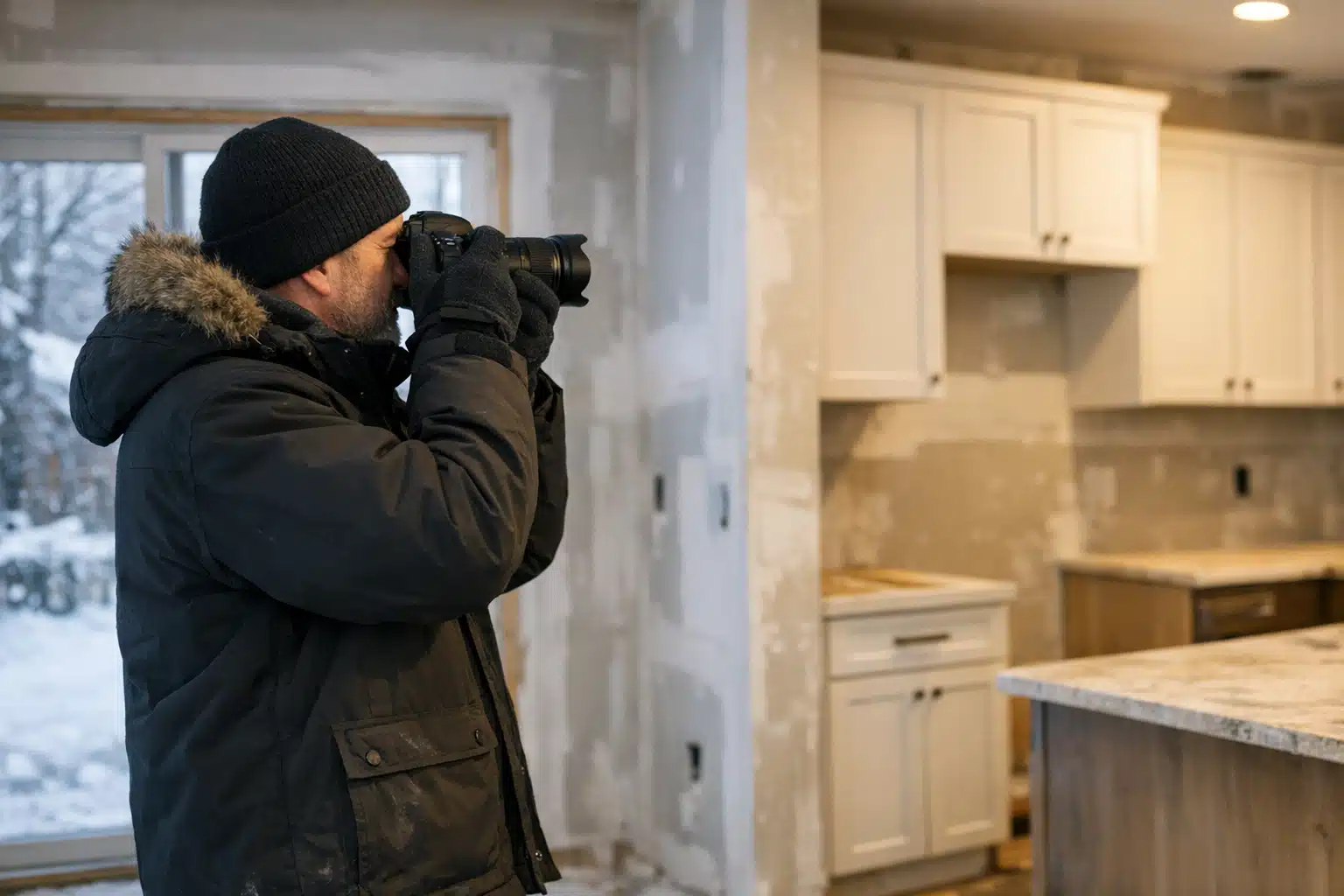
Hard money draw inspections can proceed in winter, but snow can affect timelines. Understanding how winter conditions impact inspections helps borrowers maintain their funding schedules.
- Snow rarely halts interior inspections, but exterior work can be delayed if buried under snow. Access issues like unplowed driveways can also cause delays.
- To keep draws on schedule, contractors should clear paths and document exterior work before snow covers it.
- Apex Money Lending Group adapts to winter conditions, ensuring funds are released on time by planning inspections around the weather.
Hard money draw inspections in cold weather typically proceed despite snow, although the weather can affect the timeline for fund release. Borrowers should be aware of potential delays and take measures to protect their project schedules during winter months, ensuring timely access to funds for ongoing renovations.
Snow on a job site rarely stops a hard money draw inspection, but it can reshape the timeline. Borrowers running winter rehabs want one answer: will cold weather hold up their fund release? Below, you learn how winter draw inspections run, what slows them down, and how to protect your schedule from December to March.
Apex Money Lending Group handles draw requests across cold-climate markets every season. The patterns below come from inspections completed in freezing temperatures, icy driveways, and snowbound sites.
What a Winter Draw Inspection Involves
A draw inspection is a site visit that confirms completed work before a lender releases the next round of funds. In winter, the visit itself stays the same. The conditions around it change.
An inspector verifies that framing, drywall, plumbing, or finish work matches the draw request. Snow cover and short daylight hours affect access and visibility, not the verification standard.
Three parts of the visit feel winter’s impact most:
- Exterior work like roofing, siding, grading, and paving
- Site access across unplowed driveways and icy walkways
- Daylight windows that shrink inspection hours in December and January
Does Snow Delay Your Draw Inspection?
Snow delays draw inspections only when it blocks access or hides the work being verified. Most interior draws proceed on schedule even during active storms. Exterior draws face the real holdups.
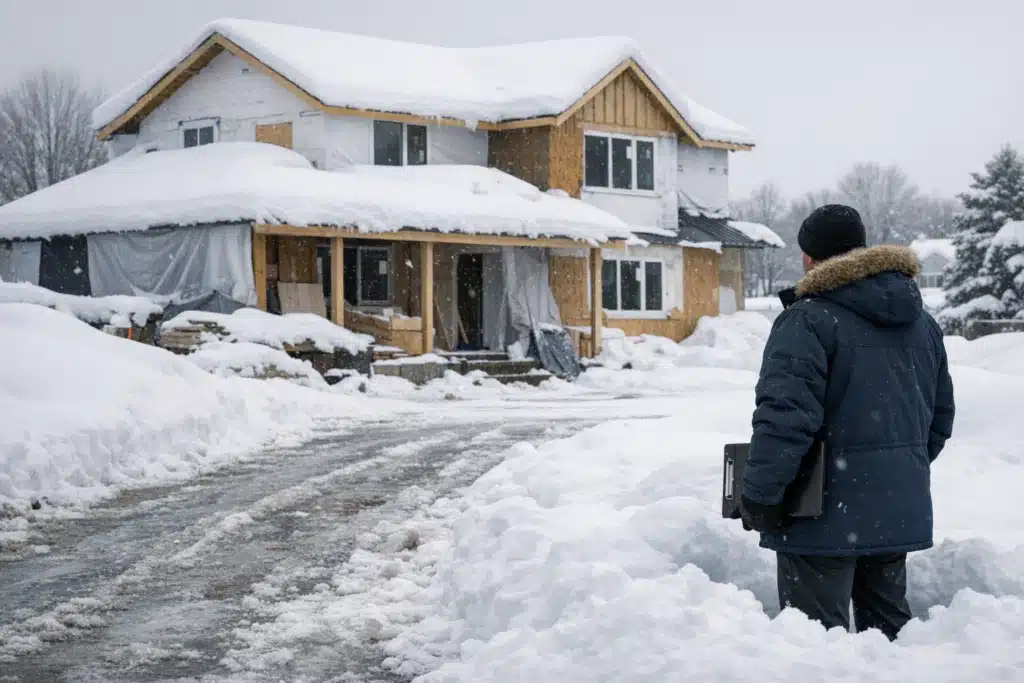
Here is how different draw types hold up in winter conditions:
Interior work rarely slows down
Drywall, cabinets, flooring, and interior plumbing sit indoors. An inspector photographs and verifies them regardless of the weather outside. A plowed path to the front door is all the visit requires.
Exterior work is weather-dependent
Roofing, concrete, and grading cannot be inspected under a foot of snow. If the work is buried, the inspector cannot confirm it. That draw waits until the surface clears enough to verify completion.
This is the most common source of hard money inspection delays in winter. The delay sits with the buried work, not the lender’s staffing.
What Causes Winter Inspection Delays
Four conditions account for most cold-weather holdups. Each one has a workaround if you plan ahead.
- Blocked access. An unplowed driveway or locked, snow-drifted gate stops the inspector at the curb.
- Buried exterior work. Snow over fresh concrete, paving, or landscaping prevents verification.
- Short daylight. A 4:45 p.m. sunset in December cuts the afternoon inspection window.
- Storm travel bans. Road closures during a major system pause all site visits for a day or two.
Storm-related travel bans are the only delay fully outside anyone’s control. The other three respond to simple preparation.
How to Keep Winter Draws on Schedule
You can protect your funding timeline with a few habits built for cold-weather sites. Contractors who do this see draws clear in the same window as summer.
Plow and salt before the visit
Clear the driveway and a walking path to every area being inspected. An inspector who reaches the front door without risk completes the visit faster. A salted path to the basement or rear addition keeps interior draws moving.
Sequence exterior work around the forecast
Pour concrete, finish roofing, and complete grading during thaw windows. Request those draws before the next snowfall buries the work. Timing a draw to a clear three-day stretch avoids a two-week wait for a melt.
Document fresh exterior work immediately
Photograph completed exterior work before snow covers it. Dated, time-stamped photos give the inspector and lender verification evidence when the ground is white. This single habit prevents more winter delays than any other.
Request inspections early in the day
Book morning visits in December and January. You gain the full daylight window and dodge afternoon storm arrivals. Morning requests also leave room to reschedule same-day if roads close.
How Apex Handles Cold-Weather Draws
Apex Money Lending Group plans draw schedules around the season, not against it. Our approach keeps funds moving even when sites sit under snow.
- Photo and video verification for interior work when access is limited
- Flexible scheduling that shifts exterior draws to clear-weather windows
- Pre-snow documentation review so buried work still qualifies for release
- Direct communication when a storm forces a one-day reschedule
The goal is a fund release that matches your rehab pace. Winter changes the tactics, not the timeline you count on.
A Real Winter Draw Scenario
Take a flip in a cold-climate suburb finishing a new roof in mid-January. The crew completes the roof on a Tuesday before an incoming Thursday storm.
The contractor photographs the finished roof Tuesday afternoon and requests the draw that evening. The inspector confirms interior progress and reviews the roof photos before the snow arrives. The draw releases on schedule, even with eight inches of fresh snow on the shingles by Friday.
Contrast that with a crew that finishes the same roof but waits a week to request the draw. By then, snow covers the roof. The exterior verification waits for a melt, pushing the release back ten days.
The difference was not the weather. It was the timing of the request and the photos.
Winter Draw Timeline Expectations
Set realistic expectations for each draw type in cold months:
- Interior-only draws: Same turnaround as any season, assuming cleared access.
- Mixed interior and exterior draws: On schedule if exterior work is documented before snow.
- Exterior-heavy draws: May wait for a thaw or rely on pre-snow photo evidence.
- Storm-week draws: Expect a one-to-two-day shift if a travel ban hits.
A buffer of two to three days in your winter schedule absorbs most storm disruptions. Plan for it, and your rehab stays funded without surprises.
Conclusion
Winter draw inspections run on the same standards as summer, with snow affecting access and exterior verification more than anything else. Clear your site, document exterior work before it gets buried, and time draws around the forecast to keep funds flowing. Most cold-weather delays trace back to buried work or blocked access, both of which you can plan around.
Ready to schedule a winter draw or map out a cold-weather rehab timeline? Call or text Apex Money Lending Group at 720‑365‑4344, email info@apexmoneylending.com, or visit https://apexmoneylending.com.
Sources
- National Weather Service – Winter Weather Safety
- OSHA – Winter Weather Hazards and Precautions
- American Concrete Institute – Cold Weather Concreting

