
Summer Fix-and-Flip Projects: Beat the Heat with Smart Renovation Timing
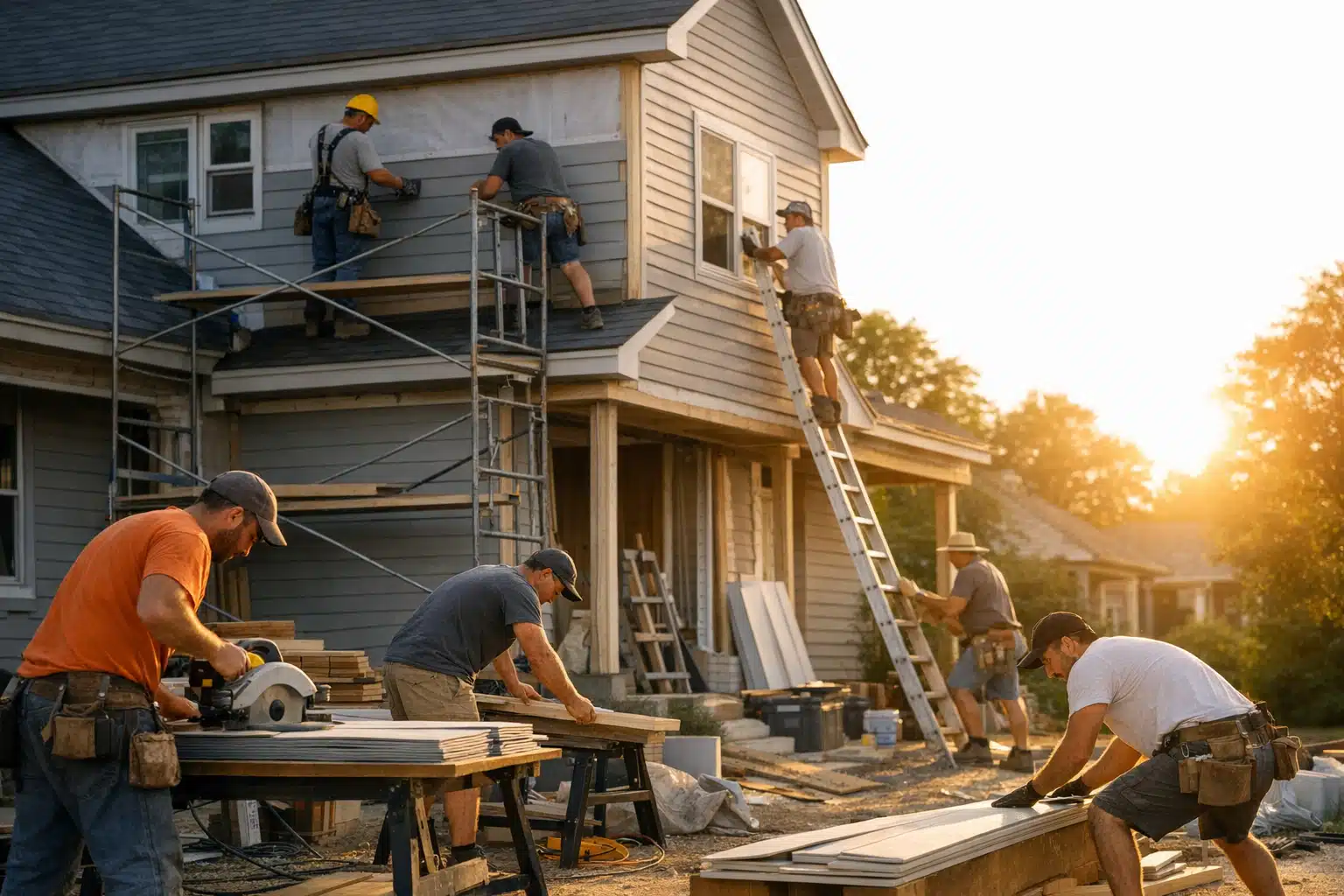
Summer is an ideal time for fix-and-flip projects due to stable weather and extended daylight, allowing for faster renovations and reduced delays. Investors can maximize returns by strategically timing their renovations and managing heat-related challenges.
- Summer provides the best conditions for exterior work, with fewer rain delays and longer working hours. Contractors are more available during this season, making scheduling easier.
- Planning renovations in phases helps avoid heat-related complications, with exterior work done early and interior projects scheduled for peak heat months.
- Properties completed by late August can attract buyers before the school season, making summer renovations advantageous for quicker sales.
Summer fix-and-flip projects involve renovating properties during the summer months to take advantage of favorable weather and longer daylight hours. This timing allows for quicker renovations and helps avoid delays caused by unpredictable weather, ultimately increasing the chances of a profitable property flip.
Summer heat brings extended daylight hours and stable weather patterns that make renovation work more predictable. Summer fix and flip projects can leverage these seasonal advantages to complete renovations faster and avoid weather-related delays that plague spring and fall timelines. Smart investors recognize that proper renovation timing during summer months can mean the difference between a profitable flip and a project that drags into costly winter months.
This post examines specific strategies for managing summer renovation schedules, heat-related challenges, and timing decisions that maximize your investment returns.
Why Summer Creates Ideal Conditions for Fix-and-Flip Work
Summer weather patterns provide the most stable construction environment of the year. Rain delays drop significantly compared to spring months, and the extended daylight hours from June through August allow contractors to work longer days without artificial lighting costs.
Extended daylight hours mean roofing crews can start at 6 AM and work until 8 PM in many regions. This translates to 30-40% more productive hours per day compared to winter months. Exterior work like siding, windows, and landscaping can proceed on predictable schedules without weather interruptions.
Dry conditions make foundation work, concrete pours, and exterior painting far more reliable. Paint cures properly in low humidity, and concrete reaches full strength without freeze-thaw cycles that can compromise structural work.
Material Availability and Contractor Scheduling
Summer brings peak contractor availability before the busy fall season when homeowners schedule major renovations. Many contractors prefer working steady summer schedules on flip properties rather than juggling multiple small residential jobs.
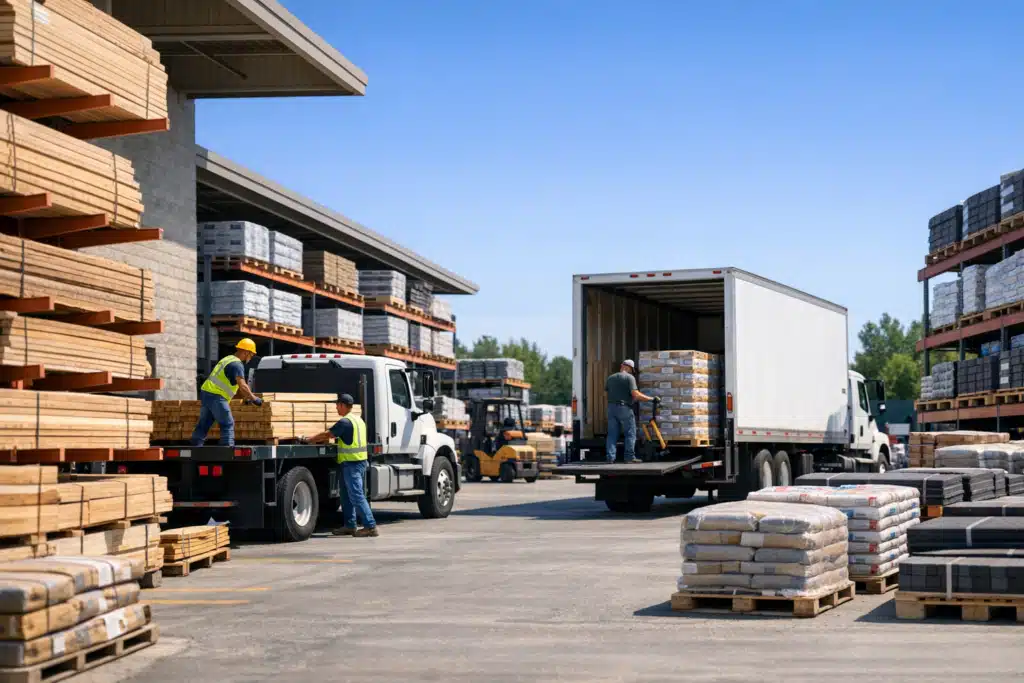
Building material supply chains run at full capacity during summer months. Lumber yards, concrete suppliers, and specialty contractors maintain consistent inventory levels and delivery schedules that can become unpredictable during winter weather.
Summer Fix and Flip Project Sequencing
Successful summer renovations require specific sequencing to avoid heat-related complications and maximize the seasonal advantages. Start with exterior work during early summer when temperatures remain moderate, then transition to interior projects during peak heat periods.
Exterior work schedule should begin in May or early June before extreme temperatures arrive. Complete roofing, siding, and major structural work while crews can work comfortably in moderate temperatures.
Phase 1: Structural and Exterior Work (May-June)
- Foundation and structural repairs – Complete before ground temperatures rise
- Roofing replacement – Avoid working on hot surfaces in July-August
- Exterior walls and insulation – Best completed before peak summer heat
- Windows and doors – Install while moderate temperatures allow precise fitting
Phase 2: Interior Systems (July-August)
Move interior work to peak summer months when outdoor temperatures make exterior projects uncomfortable. Air-conditioned interior spaces allow normal work schedules even during heat waves.
- Electrical and plumbing rough-in – Complete in climate-controlled environments
- HVAC installation – Test systems during peak cooling demand
- Drywall and interior finishes – Low humidity helps joint compound cure faster
- Flooring installation – Stable temperatures prevent expansion issues
Phase 3: Final Exterior Work (September)
Return to exterior finishing work as temperatures moderate in early fall. Landscaping, exterior painting touch-ups, and final grading work best in September’s milder conditions.
Managing Heat Challenges During Summer Renovations
High temperatures create specific challenges that require planning and budget adjustments. Worker productivity drops significantly when temperatures exceed 85°F, and some materials become difficult to work with in extreme heat.
Early morning schedules become essential for exterior work during July and August. Start roofing, concrete, and exterior painting projects at 6 AM to complete heat-sensitive work before noon temperatures peak.
Heat-Sensitive Materials and Timing
Asphalt shingles become too hot to walk on safely when temperatures exceed 85°F. Schedule roofing work for early morning hours or delay until September if possible.
Exterior paint application requires surface temperatures below 85°F for proper adhesion. Paint applied on overheated surfaces will bubble and peel within months. Use infrared thermometers to check surface temperatures before painting.
Concrete work presents the biggest heat challenge for summer projects. Concrete sets too quickly in temperatures above 90°F, leading to weak, cracked foundations and driveways. Schedule pours for early morning and have adequate water available for proper curing.
Worker Safety and Productivity Considerations
Budget for reduced productivity during peak heat periods. Exterior crews typically work 60-70% of normal productivity when temperatures exceed 90°F due to required safety breaks and hydration needs.
Plan for additional labor costs during heat waves. Some contractors charge premium rates for extreme temperature work, while others will delay projects rather than risk worker safety.
Climate-Specific Summer Renovation Strategies
Regional climate differences require different approaches to summer fix and flip timing. Desert climates demand different strategies than humid southeastern regions or moderate Pacific Coast areas.
Desert regions like Arizona and Nevada require almost entirely interior-focused summer work. Exterior projects must complete by early May or wait until October. Plan interior renovations from June through September when outdoor work becomes dangerous.
Humid Climate Challenges
High humidity regions face different summer renovation challenges than dry climates. Paint and joint compound take longer to cure, and mold concerns increase during humid periods.
Run dehumidifiers during interior finishing work to speed curing times and prevent moisture damage. Budget for higher electrical costs to maintain proper humidity levels during drywall and painting phases.
Afternoon thunderstorms in humid regions require flexible scheduling for exterior work. Plan roofing and siding projects with weather buffers to account for sudden storms that can halt work for hours or days.
Moderate Climate Advantages
Pacific Coast and Great Lakes regions offer the most flexibility for summer renovation timing. Moderate temperatures allow consistent work schedules without extreme heat precautions or humidity management.
These regions can maintain normal renovation sequencing throughout summer months, making project timeline predictions more accurate and budgets more predictable.
Summer Market Timing for Fix-and-Flip Sales
Summer completion timing aligns with peak home buying seasons in most markets. Properties completed by late August can capture September buyers before school season settles and winter market slowdowns begin.
Back-to-school timing creates urgency for family buyers who need to settle before the school year starts. Properties that hit the market in late August often sell faster than those listed in October or November.
Summer renovations completed by early September avoid the holiday season listing challenges. Properties that miss the September window often sit on the market through the slower winter months, tying up capital longer than planned.
Renovation Budget Adjustments for Summer Work
Summer projects typically cost 10-15% more than equivalent spring or fall renovations due to material price peaks and labor demand. Factor these increases into initial project budgets to avoid funding shortfalls mid-renovation.
Air conditioning costs for interior work can add $500-1500 to project budgets depending on property size and local electricity rates. Include HVAC operation costs in project planning, especially for multi-month renovations.
Material storage requires climate considerations during summer months. Store paint, adhesives, and temperature-sensitive materials in cooled spaces to prevent degradation and application problems.
Financing Considerations for Summer Renovation Projects
Summer renovation timelines affect financing needs and costs for fix-and-flip investors. Faster completion schedules can reduce carrying costs, but higher material and labor costs require larger initial funding.
Hard money lenders recognize that summer projects often complete ahead of schedule due to favorable weather conditions. This can reduce interest costs and improve overall project returns despite higher construction costs.
Construction delays become less likely during summer months, making project timeline predictions more accurate for lenders and investors. Reduced weather risk can translate to better financing terms for experienced flippers.
Budget for higher upfront costs but shorter loan terms when planning summer fix and flip projects. The trade-off between higher construction costs and reduced carrying costs often favors summer timing for experienced investors.
Conclusion
Summer fix and flip projects succeed when investors plan for seasonal advantages while managing heat-related challenges. Extended daylight hours, dry weather conditions, and contractor availability create opportunities for faster project completion despite higher material and labor costs.
Smart renovation timing sequences exterior work during moderate early summer temperatures and moves interior projects to peak heat periods when climate-controlled spaces maintain normal productivity. Regional climate differences require specific strategies, but most markets reward summer renovations with faster sales during peak buying seasons.
Ready to fund your next summer fix and flip project? Contact Apex Money Lending Group at 720-365-4344 to discuss financing options that align with your summer renovation timeline and budget requirements.
Sources
- OSHA – Heat-Related Hazards and Controls for Construction Workers
- U.S. Census Bureau – New Residential Sales Monthly Report
- Department of Energy – Heating and Cooling Guide
- Bureau of Labor Statistics – Construction Employment Data

