
Summer Rental Property Prep: Financing Quick Upgrades Before Peak Season
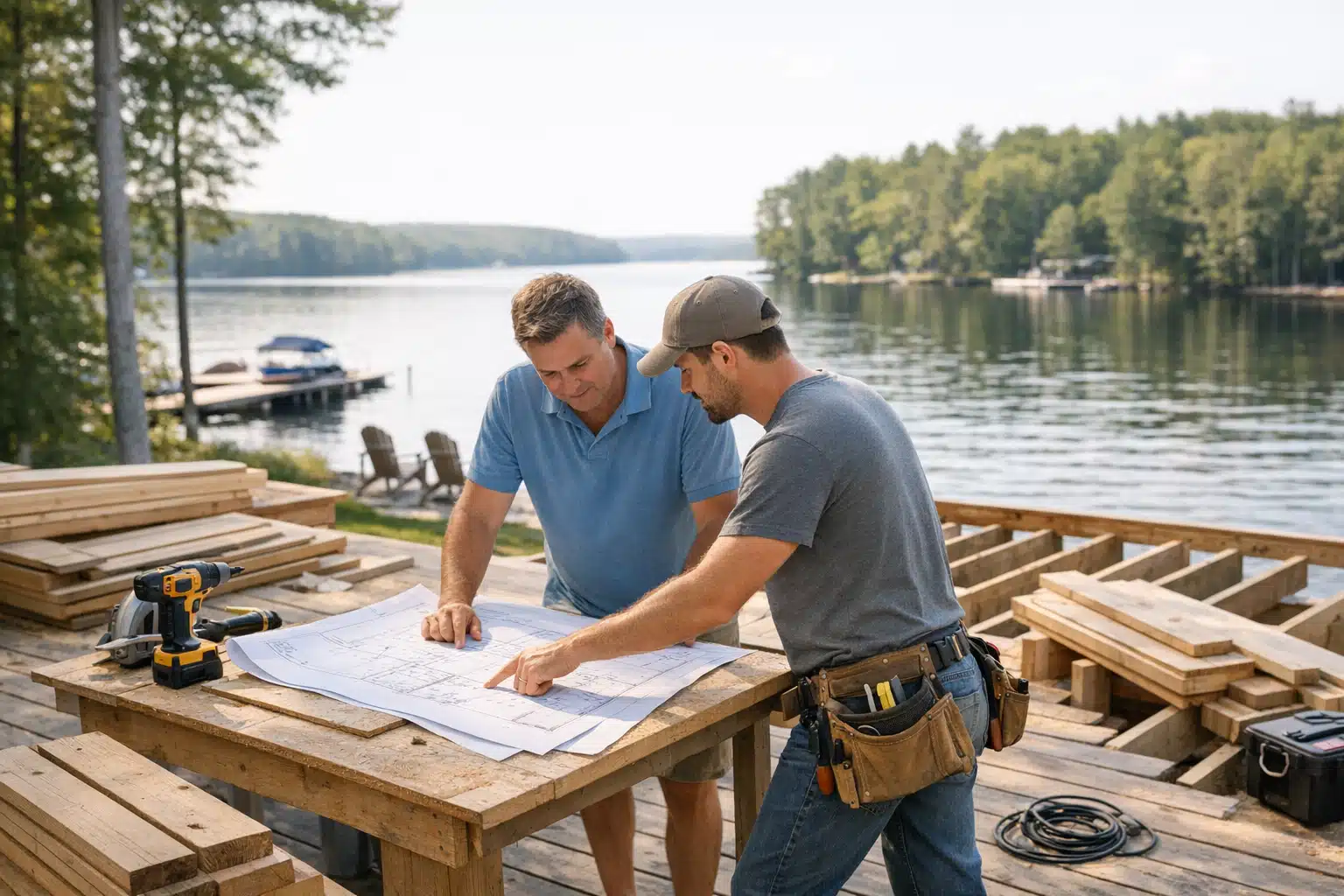
Summer rental property owners can significantly boost their income by completing timely upgrades before the peak season. Hard money loans provide quick financing solutions, allowing for renovations that can increase nightly rates and booking frequency.
- Summer rental season generates a large portion of annual income, making timely upgrades essential. Properties that upgrade by May 15th can see a 15-25% increase in nightly rates. Delayed improvements can result in substantial revenue losses during peak months.
- High-impact upgrades include outdoor enhancements, kitchen and bathroom modernization, and smart home features, all of which can justify higher nightly rates. Owners should focus on projects that yield the best return on investment.
- Financing options like hard money loans offer fast funding, while strategic project management ensures timely completion. Owners should plan upgrades carefully to maximize rental income and minimize risks.
Quick financing options for summer rental property upgrades include personal loans, credit cards, and lines of credit, which can provide immediate access to funds. These alternatives allow property owners to complete necessary improvements before the peak rental season, maximizing their potential income during the summer months.
Summer rental season can generate 60-70% of annual vacation rental income, but property owners face a critical timing challenge. Traditional bank loans take 60-90 days to fund, leaving insufficient time for pre-season upgrades that maximize rental rates.
Summer rental property financing through hard money lenders solves this timing problem. These loans fund within 7-14 days, giving owners the capital needed for quick renovations before Memorial Day weekend kicks off peak booking season.
Why Timing Matters for Vacation Rental Revenue
Peak summer months from June through August account for the majority of vacation rental profits. Properties that complete upgrades by May 15th can increase their nightly rates by 15-25% compared to outdated units.
Late upgrades mean lost revenue. A $300-per-night property that delays improvements until mid-summer loses approximately $75 per night in potential premium pricing across 60 peak nights.
Critical Upgrade Deadlines
- March 1st: Secure financing for major renovations
- April 15th: Complete structural work and installations
- May 15th: Finish cosmetic updates and staging
- May 30th: Properties ready for Memorial Day bookings
High-Impact Summer Rental Property Financing Projects
Not all upgrades deliver equal returns on rental properties. Smart owners focus financing on improvements that directly increase nightly rates and booking frequency.

Outdoor Living Enhancements
Deck additions, hot tub installations, and outdoor kitchens generate the highest rental premiums. A $25,000 deck project can justify $50-75 higher nightly rates, paying for itself within two seasons.
Pool renovations rank second for return on investment. Resurfacing, new equipment, and safety upgrades cost $15,000-30,000 but allow owners to market premium pool amenities.
Kitchen and Bathroom Modernization
Updated kitchens with stainless appliances and granite counters increase booking conversion rates by 30-40%. Guests specifically search for modern kitchen amenities when filtering rental options.
Bathroom renovations deliver consistent returns. New tile, fixtures, and vanities cost $8,000-15,000 per bathroom but eliminate negative reviews about outdated facilities.
Technology and Convenience Upgrades
Smart home features appeal to younger renters who pay premium rates. Keyless entry, smart thermostats, and high-speed internet upgrades cost $5,000-8,000 but increase guest satisfaction scores.
Laundry room improvements reduce operational costs while adding convenience. In-unit washers and dryers justify $25-40 higher nightly rates for multi-night stays.
Vacation Rental Upgrades Financing Options
Property owners have several financing paths for pre-season improvements, each with distinct timing and qualification requirements.
Hard Money Loans
Hard money loans fund within 5-10 business days based on property equity rather than personal income verification. Rates range from 8-15% with 6-24 month terms.
These loans work best for owners with 30%+ equity who need fast access to $50,000-500,000 for major renovations. The speed advantage outweighs higher interest costs for time-sensitive projects.
Home Equity Lines of Credit
HELOCs offer lower rates than hard money but require 45-60 days for approval and funding. Banks typically lend up to 80% of property value minus existing mortgage balances.
This option suits owners planning upgrades for the following year rather than immediate summer preparation.
Cash-Out Refinancing
Refinancing takes 30-45 days and provides the lowest borrowing costs for substantial projects. Owners can access up to 75% of current property value through cash-out refinancing.
Rising interest rates make this option less attractive unless current mortgage rates exceed new market rates.
Fast-Track Project Management for Quick Completions
Securing financing represents only half the challenge. Completing upgrades within compressed timeframes requires strategic project planning and contractor coordination.
Pre-Approved Contractor Networks
Establish relationships with three contractors per trade before starting projects. Pre-approved plumbers, electricians, and general contractors can begin work within days rather than weeks.
Request fixed-price quotes with completion guarantees. Penalty clauses for late completion protect against summer season delays.
Material Pre-Ordering
Order appliances, fixtures, and materials before loan funding to avoid supply chain delays. Many items require 4-6 week lead times during spring construction season.
Arrange delivery schedules that align with contractor availability. Delayed materials create costly project bottlenecks during peak construction months.
Permit Expediting
Submit permit applications concurrently with loan applications to eliminate waiting periods. Many municipalities offer expedited review for additional fees.
Focus on projects requiring minimal permitting during compressed timelines. Cosmetic upgrades proceed faster than structural modifications.
ROI Calculations for Summer Rental Improvements
Smart financing decisions require clear return projections based on local market rental rates and seasonal demand patterns.
Premium Rate Analysis
Research comparable properties with similar upgrades to establish realistic premium pricing. Properties with modern amenities command 20-30% higher rates in most vacation markets.
Calculate break-even timelines based on increased nightly rates minus financing costs. Most upgrades should pay for themselves within 18-24 months of rental income.
Occupancy Rate Improvements
Upgraded properties achieve higher occupancy rates through improved guest reviews and search ranking. A 10% occupancy increase often provides more revenue than rate premiums alone.
Track booking conversion rates before and after improvements. Modern properties convert 15-25% more inquiries into confirmed reservations.
Alternative Funding Strategies
Creative owners combine multiple financing sources to optimize costs and timing for vacation rental upgrades.
Staged Project Financing
Complete high-impact projects first using fast funding sources, then tackle remaining improvements with traditional financing. This approach captures immediate revenue while minimizing total borrowing costs.
Phase projects based on guest priorities. Address kitchen and bathroom upgrades before outdoor amenities to maximize early season bookings.
Revenue-Based Repayment
Some alternative lenders offer repayment structures tied to rental income rather than fixed monthly payments. These products align payment obligations with seasonal cash flow patterns.
Revenue-based loans work well for properties with strong historical performance but variable monthly income due to seasonal demand.
Risk Management for Seasonal Financing
Borrowing against future rental income carries risks that owners must address through careful planning and contingency preparation.
Market Downturn Protection
Economic downturns can reduce vacation rental demand by 30-50% within single seasons. Maintain cash reserves covering 6-12 months of loan payments regardless of rental income.
Consider loan products with flexible payment options during low-income periods. Some hard money lenders offer interest-only payments during off-season months.
Construction Delay Contingencies
Weather, permit delays, and contractor issues can push projects past peak season deadlines. Build 2-3 week buffers into all completion timelines.
Secure backup contractors and alternative material sources before projects begin. Single-source dependencies create unnecessary completion risks.
Summer rental property financing enables owners to capitalize on peak season opportunities through strategic pre-season improvements. Fast funding sources like hard money loans provide the timing advantage needed for successful vacation rental upgrades.
Ready to fund your summer rental property improvements? Contact Apex Money Lending Group at 720-365-4344 to explore hard money financing options that align with your project timeline and revenue goals.
Sources
- U.S. Bureau of Labor Statistics – Consumer Expenditure Survey
- National Association of Realtors – Investment and Vacation Home Buyers Survey
- U.S. Census Bureau – New Residential Construction

