
Working With Contractors in the Off-Season: Better Rates and Faster Scheduling
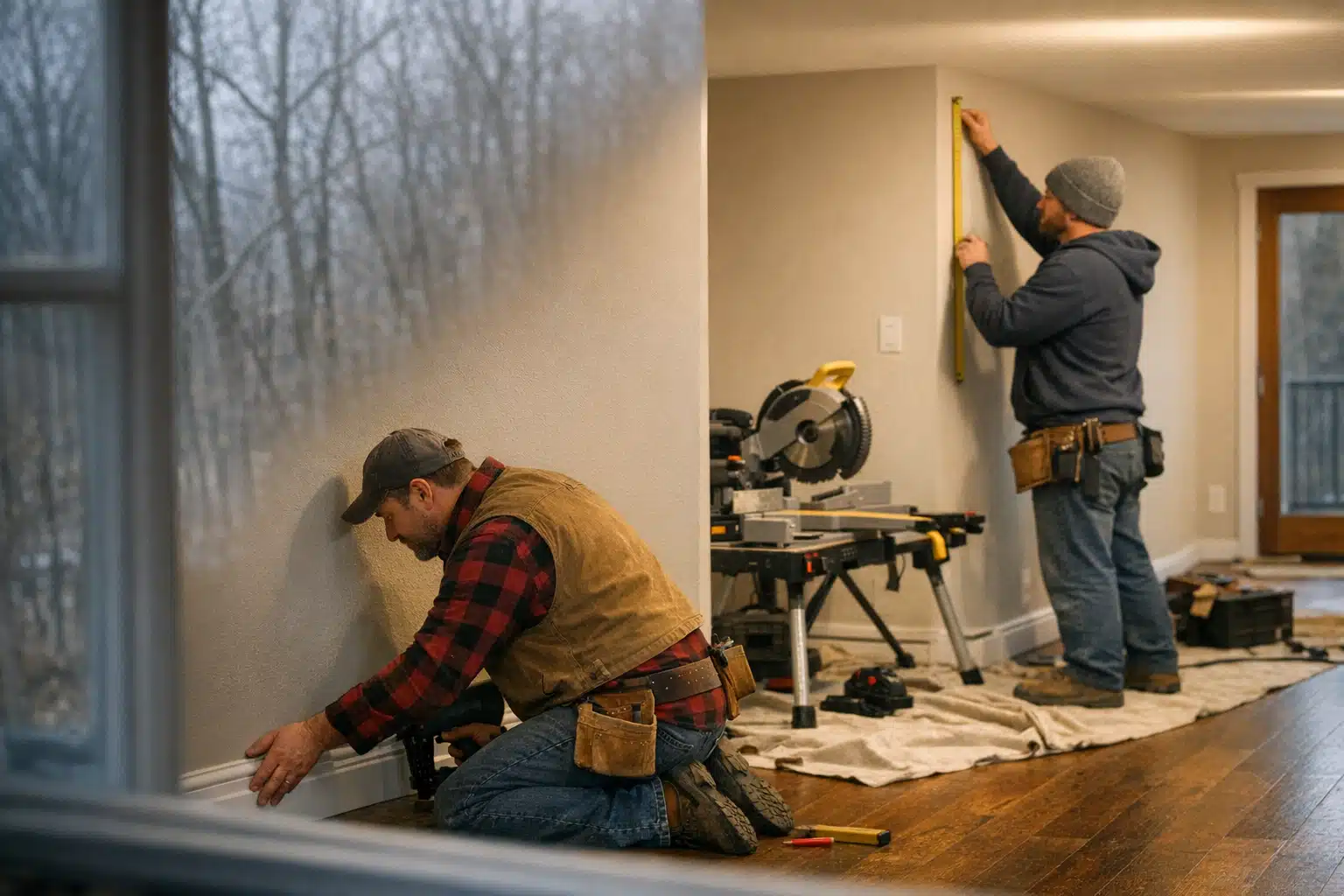
Fall and winter are when contractor phones go quiet, and that silence works in your favor. Construction demand drops after summer peaks, which means hiring contractors off-season can lock in lower bids and faster start dates. If you have a project that can wait a few months, the timing shift pays off.
This post breaks down why winter pricing softens, how to negotiate during slow months, and which projects suit cold-weather work. You will learn the exact moves that turn a slow season into a buyer’s market.
Why Hiring Contractors Off-Season Lowers Your Costs
Contractor pricing follows demand. From May to August, roofers, remodelers, and HVAC crews run full calendars and charge accordingly. Once leaves fall, their booking sheets thin out.
An empty week costs a contractor money. Crews still need paychecks, and trucks still need payments. A contractor facing a gap in January will cut a deal to keep workers busy rather than idle.
This is the mechanics behind lower winter contractor rates. The savings come from the contractor’s need to cover fixed costs, not from cut corners.
What the Numbers Look Like
Off-season discounts vary by trade and region. Based on patterns our borrowers report when financing renovations, here is a rough breakdown:
- Roofing: 10-20% below summer pricing, since fewer homeowners book in cold months.
- Interior remodels: 5-15% lower, as crews shift indoors when outdoor jobs freeze.
- HVAC installs: Best deals in spring and fall shoulder seasons, between heating and cooling rushes.
- Painting: Interior work drops 10% or more in winter when exterior jobs stop.
A $20,000 summer remodel booked in January might run $17,000 to $18,500. The difference covers a good chunk of your financing costs.
Faster Scheduling When Demand Drops
Speed matters as much as price. In July, a sought-after contractor might quote a six-week wait before starting. In December, that same crew could start next Monday.
Shorter lead times help in three ways:
- Less project drift. Your plans stay fresh instead of sitting in a queue for months.
- More crew attention. With fewer concurrent jobs, workers finish faster and make fewer rushed mistakes.
- Owner involvement. The business owner, not just a foreman, may be on site during slow months.
A kitchen remodel that stretches eight weeks in peak season might wrap in five during winter. Fewer competing jobs means your project moves to the front of the line.
Which Projects Fit Cold-Weather Work
Not every job suits winter. Matching the project to the season protects your results and your budget.
Strong Off-Season Projects
- Interior renovations: Kitchens, bathrooms, basements, and flooring stay unaffected by weather.
- Insulation and air sealing: Cold months reveal drafts, making winter the clearest time to find and fix leaks.
- Cabinet and trim work: Indoor carpentry runs fine year-round.
- Planning and permitting: Line up design, permits, and financing in winter for a spring start.
Projects to Delay
- Concrete pours: Freezing temperatures weaken curing unless crews use additives and heating blankets.
- Exterior painting: Most paints need temperatures above 50°F to cure right.
- Roofing in heavy snow regions: Shingle adhesives bond poorly in deep cold, though mild-winter areas handle it fine.
- Foundation and excavation: Frozen ground raises difficulty and cost.
How to Negotiate a Better Off-Season Bid
Lower pricing does not happen by accident. The homeowners who save the most ask for it directly and give contractors reasons to say yes.
Use these steps when hiring contractors off-season:
- Get three bids in the same two-week window. Prices drift by month, so compare quotes gathered close together.
- Name the season. Tell contractors you picked winter for the schedule flexibility. They know what that signals.
- Offer schedule freedom. Say the crew can start whenever fits their calendar. Flexibility earns discounts.
- Ask about material timing. Some suppliers cut winter prices on overstocked goods. Your contractor may pass savings along.
- Pay promptly. Offer clean payment terms. Fast cash flow matters to a crew between big jobs.
One borrower we worked with saved $4,200 on a basement finish by booking in late November and letting the crew set the start date.
Financing Your Off-Season Project the Right Way
The catch with winter deals is timing. The best rates appear when your plan is ready and your funding is in place. Contractors reward buyers who can commit fast.
That is where financing lines up with the season. Apex Money Lending Group helps homeowners and investors secure funds before approaching contractors, which strengthens their bargaining position.
Why Pre-Arranged Funding Wins Lower Bids
A contractor weighing two winter jobs picks the one that pays on time. Showing you have financing confirmed makes you the safer bet.
Pre-arranged funding gives you three advantages:
- Negotiating leverage: You can commit to a start date on the spot.
- Clean payment schedule: Contractors avoid the stress of waiting on uncertain cash.
- Faster closing on deals: The best winter slots fill quickly once offered.
For investors flipping properties, off-season buying stretches margins. Lower labor costs plus faster completion mean the property hits the spring market when buyers return.
A Sample Off-Season Timeline
Here is how a smart winter project unfolds from start to finish:
- October: Define scope and secure financing approval.
- November: Collect three bids and negotiate using schedule flexibility.
- December: Sign the contract and pull permits during the quiet period.
- January-February: Crew completes interior work with full attention.
- March: Project finishes ahead of the spring rush.
This sequence captures lower labor costs and avoids the summer scramble. Your contractor stays busy, and you save money.
Common Mistakes to Avoid
Off-season savings slip away when buyers rush or skip homework. Watch for these errors:
- Choosing a weather-sensitive job for winter. A frozen concrete pour costs more than it saves.
- Taking the first low bid. Compare quotes and check references, even in slow months.
- Waiting too long to arrange funds. The deal vanishes if you cannot commit.
- Ignoring licensing and insurance. A slow season does not excuse checking credentials.
Verify every contractor’s license and insurance regardless of the discount offered. A cheap job done wrong costs more than full price done right.
Key Takeaways
Hiring contractors off-season pairs lower bids with faster start dates, since crews cut deals to fill winter gaps. Interior renovations, insulation, and planning work suit cold months, and pre-arranged financing strengthens your negotiating position. Line up funding in fall to lock the best winter contractor rates before spring demand returns.
Apex Money Lending Group helps homeowners and investors fund projects fast enough to seize off-season pricing. Call or text us at 720‑365‑4344, email info@apexmoneylending.com, or visit https://apexmoneylending.com to get started before the quiet season ends.

