
Emergency Property Repairs: Fast Funding for Unexpected Issues

Emergency property repair funding offers quick financial solutions for urgent repair needs, allowing property investors to address issues without delay. This service ensures that repairs can be made promptly, preventing further damage and maintaining property value.
- Emergency funding can be approved within 24-48 hours, unlike traditional banks that take much longer.
- Lenders focus on the property's value and repair necessity rather than extensive financial documentation.
- Investors can use emergency funding strategically to secure deals that others might miss due to financing issues.
Emergency property repair funding provides financial assistance for urgent repairs needed due to unexpected issues, such as burst pipes or structural damage. This funding helps property owners quickly address critical problems to maintain safety and compliance, ensuring properties remain livable and meet regulatory standards.
A burst pipe floods your rental property at 2 AM on Sunday. The roof caves in during a storm. Your rehab project uncovers structural damage that needs immediate attention before the city inspector arrives Monday morning.
These crisis moments demand immediate action and fast cash. Traditional banks close their doors when emergencies strike, but emergency property repair funding keeps your investment moving forward.
Here’s how rapid response financing works when time matters most.
When Property Emergencies Strike Without Warning
Property emergencies follow no schedule. Water damage spreads by the hour. Electrical failures create safety hazards that require immediate contractor response.
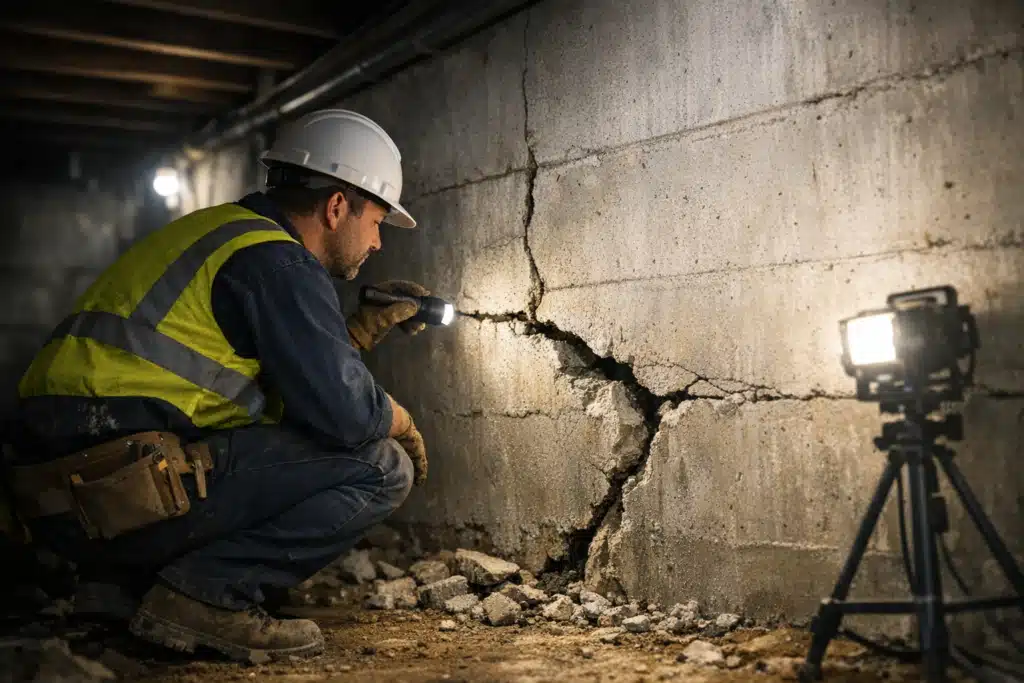
Real emergencies we’ve funded include a foundation crack that appeared overnight during a freeze-thaw cycle, requiring $45,000 in immediate stabilization work. Another client discovered extensive termite damage during a flip renovation, needing $23,000 for emergency structural repairs before the damage spread further.
True emergencies share three characteristics:
- Damage worsens rapidly without intervention
- Safety or habitability is compromised
- Delays cost more money than immediate action
The Real Cost of Delayed Repairs
A small roof leak becomes major structural damage within weeks. Water behind walls creates mold that transforms a $2,000 repair into a $20,000 remediation project.
One investor waited two weeks for bank approval on a $15,000 HVAC replacement. The delay during winter months led to frozen pipes, adding $8,000 in water damage repairs to the original problem.
Emergency Property Repair Funding: Speed Over Paperwork
Emergency property repair funding approves within 24-48 hours instead of the 30-60 days traditional banks require. The application focuses on property value and repair necessity rather than extensive financial documentation.
Hard money lenders understand that property emergencies can’t wait for committee meetings and underwriting reviews. When your contractor is ready to start Monday morning, you need funds Friday afternoon.
What Qualifies for Emergency Funding
Lenders approve emergency funding for repairs that protect property value or ensure habitability:
- Structural issues: Foundation problems, roof damage, load-bearing wall failures
- Water damage: Burst pipes, flooding, leak remediation
- Electrical emergencies: Panel failures, fire damage, code violations
- HVAC failures: System breakdowns affecting habitability
- Pest damage: Termite or rodent damage requiring immediate attention
Cosmetic upgrades don’t qualify as emergencies. Lenders fund repairs that prevent further damage or address safety concerns.
How Crisis Response Financing Works
Emergency funding operates differently than standard construction loans. Approval happens in hours, not weeks. Documentation requirements focus on the property and repair scope rather than extensive borrower financials.
The 48-Hour Approval Process
Day one starts with your emergency call. You provide basic property information, repair estimates, and photos of the damage. The lender orders a rapid property valuation, often completed remotely or within 24 hours.
Day two brings approval and funding. Documents are signed electronically. Funds wire directly to your account or contractor, depending on the arrangement.
This speed requires higher interest rates than traditional financing. Emergency funds typically cost 10-15% annually with terms of 6-24 months, but immediate access prevents much larger losses from delayed repairs.
Documentation You Need Ready
Keep these documents accessible for emergency funding applications:
- Property deed or purchase contract
- Contractor estimates with scope of work
- Photos documenting the damage
- Insurance claim information (if applicable)
- Recent property tax assessment
Having documentation ready accelerates approval from 48 hours to same-day funding in some cases.
Strategic Use of Unexpected Repair Financing
Smart investors use emergency funding strategically, not just reactively. Unexpected repair financing can secure deals that other investors miss due to financing constraints.
Turning Emergencies Into Opportunities
Properties with visible emergency repairs sell below market value. Other investors see problems; experienced investors see discounts.
One client purchased a property with obvious roof damage for $40,000 below asking price. Emergency funding covered immediate roof repairs, and the investor refinanced to permanent financing within six months, capturing significant equity from the discounted purchase.
Protecting Cash Flow During Repairs
Emergency funding preserves your cash reserves for other investments. Instead of depleting savings for one emergency repair, you maintain liquidity for additional opportunities.
This strategy works when the property’s after-repair value supports both the emergency loan and permanent financing. The short-term cost of emergency funding is offset by continued cash flow from other investments.
Managing Emergency Repair Costs
Emergency repairs cost more than planned renovations. Contractors charge premium rates for urgent work. Material costs increase when you can’t wait for sales or shop multiple suppliers.
Budget Reality for Crisis Repairs
Add 25-40% to normal repair estimates for emergency work. A $10,000 planned roof repair becomes $12,500-14,000 when completed as an emergency.
Factor these premiums into your emergency funding request. Borrowing too little leads to delays when additional funds are needed to complete repairs.
Working With Emergency Contractors
Establish relationships with contractors before emergencies strike. Contractors you’ve worked with previously provide better pricing and faster response than cold calls during crisis situations.
Get written estimates even for emergency work. Verbal quotes lead to disputes and cost overruns when time pressure mounts.
Exit Strategies for Emergency Loans
Emergency loans are short-term solutions requiring clear exit strategies. Plan your refinancing before taking emergency funding.
Refinancing to Permanent Financing
Most borrowers refinance emergency loans within 6-12 months using conventional mortgages or long-term investment property loans. The completed repairs increase property value, supporting higher loan amounts and better terms.
Start the refinancing process 60-90 days before your emergency loan matures. This timeline accommodates appraisal delays and underwriting reviews without pressure from loan maturity dates.
Sale Exit Strategy
Some investors sell properties after completing emergency repairs. The emergency funding enables rapid repairs that maximize sale price, particularly in competitive markets where move-in-ready properties command premiums.
Calculate whether sale proceeds after repairs and loan repayment exceed your total investment including emergency loan costs.
Building Your Emergency Response Plan
Successful property investors prepare for emergencies before they occur. Your emergency response plan should include pre-approved funding sources.
Pre-Qualifying for Emergency Funding
Establish relationships with hard money lenders during calm periods, not during crisis situations. Pre-qualification determines your borrowing capacity and required documentation.
Some lenders offer emergency credit lines secured by property equity. These arrangements provide instant access to funds without full application processes during emergencies.
Insurance Coordination
Understand your insurance coverage limits and claim processes. Some emergency repairs are covered by insurance, reducing your out-of-pocket funding needs.
Emergency funding bridges the gap between immediate repair needs and insurance claim payments. You can start repairs immediately while waiting for claim approval and payment.
Emergency property repair funding transforms potentially devastating property issues into manageable business expenses. Quick access to capital prevents small problems from becoming major losses while maintaining your investment momentum.
When property emergencies strike your investments, Apex Money Lending Group provides rapid response financing with 24-48 hour approvals. Contact us at 720-365-4344 for immediate emergency funding consultation.
Sources
- FEMA – Immediate Actions to Take After a Flood
- EPA – A Brief Guide to Mold, Moisture, and Your Home
- HUD – Property Maintenance and Emergency Repairs

