
How to Price Your Flip for a Slower Fall and Winter Market
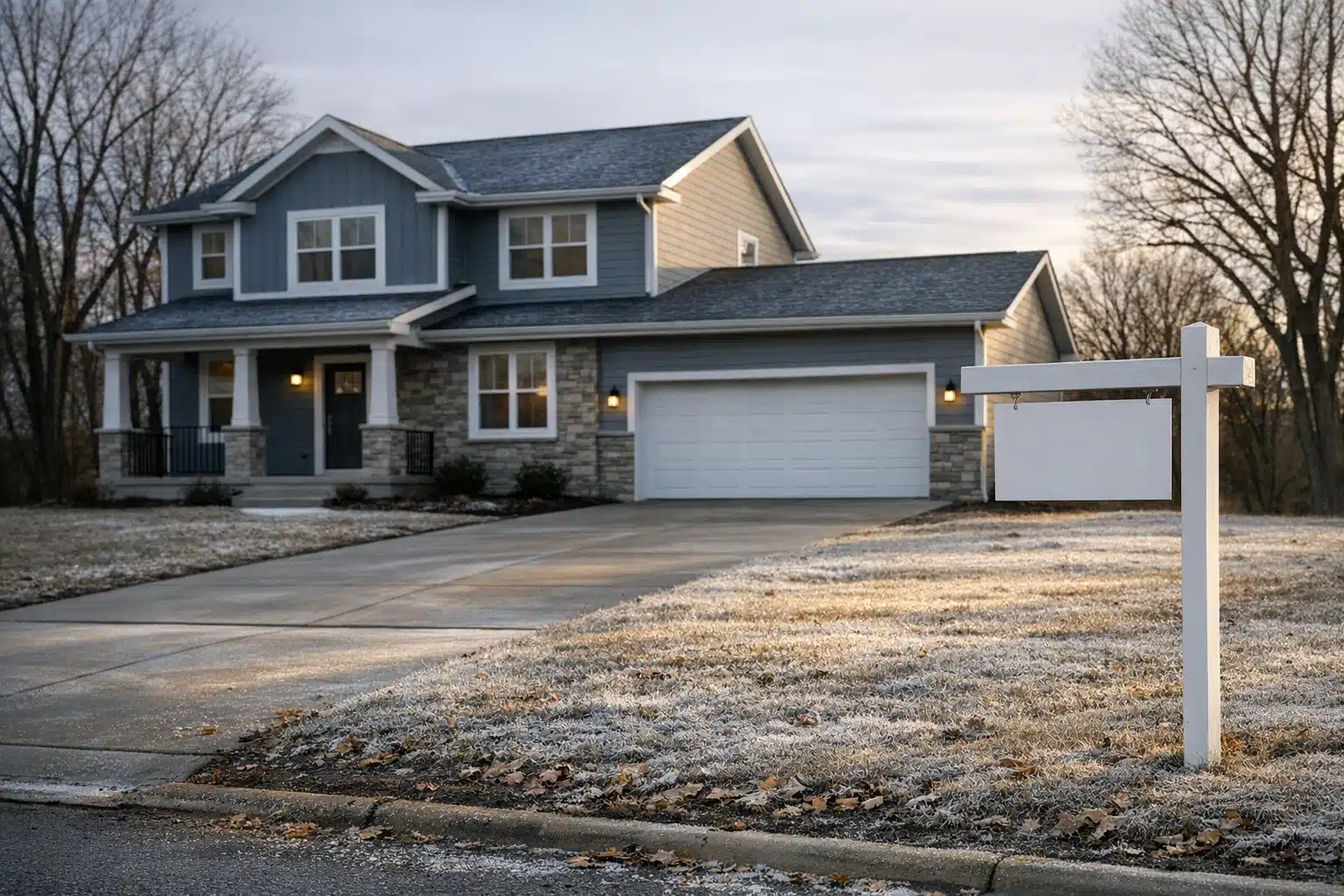
Buyer demand drops after October, and flippers who ignore that shift watch their holding costs eat the profit. Pricing a flip in a slow market requires a different math than the spring frenzy, where multiple offers covered up list-price mistakes. Set the number wrong in November, and your property sits past the holidays into a dead January.
This post breaks down how to set a list price when buyers thin out. You will learn how to read seasonal comps, how to budget for longer days-on-market, and when to cut price before the market cuts it for you.
The angle here is pure pricing and timing math — not staging tips or fall deadlines. The seasonal slowdown punishes the wrong number faster than any paint color.
Why Pricing a Flip in a Slow Market Is a Different Problem
In a slow market, your list price has fewer buyers checking it. Fewer eyes means fewer chances to correct an overpriced listing with a quick offer. A price that would trigger a bidding war in May draws silence in December.
Three things change between October and February:
- Buyer pool shrinks. Families avoid moving during school terms and holidays.
- Days-on-market stretch. National median time rises in Q4 and Q1.
- Appraisals lean conservative. Fewer recent sales give appraisers less upward support.
Your pricing has to account for all three at once. Ignore any one, and the carry costs compound.
The Carry-Cost Clock Runs Faster in Winter
Every extra month on market in a slow season costs real money. On a $350,000 flip with hard money, your monthly burn includes interest, taxes, insurance, and utilities. That figure runs $3,500 to $5,500 per month for many Front Range projects.
A 90-day winter listing can erase $12,000 to $16,000 of margin. Pricing to sell in 30 days protects that capital. The faster sale usually beats the higher number that sits.
How to Set Your List Price After October: A Step-by-Step Method
Pricing a flip in a slow market starts with honest comps and a bias toward speed. Follow this sequence.

- Pull sold comps from the last 60 days, not 90. Winter values move down, and older sales overstate current demand.
- Weight closed sales over active listings. Active listings in a slow market are full of overpriced properties that will not sell.
- Adjust for the seasonal discount. Buyers who shop in December expect a deal and negotiate harder.
- List 2% to 3% below your spring number. This positions you as the sharpest value in the search results.
- Set a price-cut trigger before you list. Decide the date and amount now, not emotionally later.
The price-cut trigger matters most. Flippers lose money by waiting and hoping instead of acting on a plan they set in advance.
Example: Pricing a Denver Flip in November
Say your comps support $420,000 in a normal spring market. Recent 60-day winter closings in the neighborhood come in at $408,000 to $412,000. You list at $405,000 to lead the search.
That $15,000 haircut looks painful on paper. Against a 75-day carry at $4,500 per month, it saves you from an $11,000 holding loss plus a forced cut later. The lower price buys a faster exit.
Reading Days-on-Market Signals in a Slow Season
Days-on-market is your most honest feedback in a cold market. It tells you whether your price matches current demand before an offer ever arrives.
Track two numbers weekly:
- Showings per week. Fewer than three in the first ten days signals a price problem.
- Saves and shares online. High views with zero showings mean the price repels at first glance.
In spring, you might wait for an offer. In winter, treat week one as your verdict. The market gives you less time to react, so your reactions must come faster.
The First-Ten-Days Rule
Your listing gets its most attention in the first ten days. Slow-market buyers who have been watching inventory pounce on anything priced right. If they skip your property, the price is wrong.
Do not wait 30 days to cut in December. A property that misses its opening window drifts into stale territory, and stale winter listings attract lowball offers only.
Listing Price Strategy Winter: Underprice to Create Urgency
A deliberate listing price strategy winter uses scarcity to fight the slow season. Fewer buyers exist, but the serious ones still compete for the clear best value. Underpricing by a small margin draws that competition to you.
Two approaches work in a cold market:
- Sharp-value pricing. List just under a round-number search threshold, like $399,000 instead of $405,000, to capture more searches.
- Offer-deadline pricing. Price low, then set a review date to concentrate the few buyers into one window.
The offer-deadline approach needs enough buyer traffic to work. In a truly dead sub-market, default to sharp-value pricing instead.
When to Hold Versus Cut
Holding a flip into spring sounds smart until you run the carry math. Each month of winter holding costs real cash and ties up capital you could redeploy.
Hold only when all three are true:
- Your loan terms give you runway without penalty.
- Spring comps project a gain larger than your added carry cost.
- The property has no condition issues that worsen over winter.
If any one fails, price to sell now. A clean exit in January beats a hopeful hold that drags to April.
Common Winter Pricing Mistakes That Cost Margin
Flippers repeat the same errors every slow season. Each one adds days-on-market and shrinks the final check.
- Anchoring to summer comps. Sales from July do not reflect December buyer behavior.
- Pricing for the renovation, not the market. Buyers pay for the result, not your receipts.
- Refusing the first cut. The first price drop after 14 quiet days saves more than a bigger drop at day 45.
- Chasing the market down. Small, late cuts always trail falling demand. Get ahead with one decisive move.
The flippers who protect margin price for the season on day one. They do not fight the calendar.
How Your Financing Shapes Your Pricing Freedom
Your loan structure decides how aggressively you can price. A short hard-money term with no extension forces faster sales and lower list prices. Flexible terms buy patience.
At Apex Money Lending Group, we structure flip financing around real timelines, including the slow months. Knowing your runway before you list lets you pick a price that fits your exit plan. The right loan turns a winter sale from a scramble into a calculated move.
Match your list price to your loan, not the other way around. That alignment keeps a slow market from dictating your decisions.
Key Takeaways for Pricing a Flip in a Slow Market
Price 2% to 3% below your spring comps, pull sold data from the last 60 days, and set a price-cut trigger before you list. Treat the first ten days as your verdict, and act fast on quiet weeks instead of waiting out the carry cost. A faster winter sale almost always beats a higher number that sits past the holidays.
Apex Money Lending Group structures flip financing that gives you room to price smart in any season. Call or text us at 720‑365‑4344, email info@apexmoneylending.com, or visit https://apexmoneylending.com to plan your next flip.

